
Analog as a Trust Signal
Why What Feels Human Matters More Than Ever in Retail
The more digital our world becomes, the more skeptical people get.
AI-generated content. Perfectly polished campaigns. Manufactured experiences designed to scale endlessly. It all looks impressive. And increasingly, it all feels the same.
Retail is responding quietly but decisively.
Analog is coming back. Not as nostalgia. Not as a trend. As a signal of trust.
Building Customer Trust Through Analog Retail Design
Consumers are surrounded by content designed to persuade them. Optimized headlines. Automated recommendations. Experiences engineered for efficiency.
What cuts through now is not more polish. It’s credibility.
Analog design elements and tactile cues feel harder to fake. They take time. They require intention. They suggest a human hand somewhere in the process. That effort reads as honesty.
In retail, trust isn’t built through messaging alone. It’s built through what people can see, touch, and experience for themselves.
Analog Is Not an Aesthetic
This is where brands get it wrong.
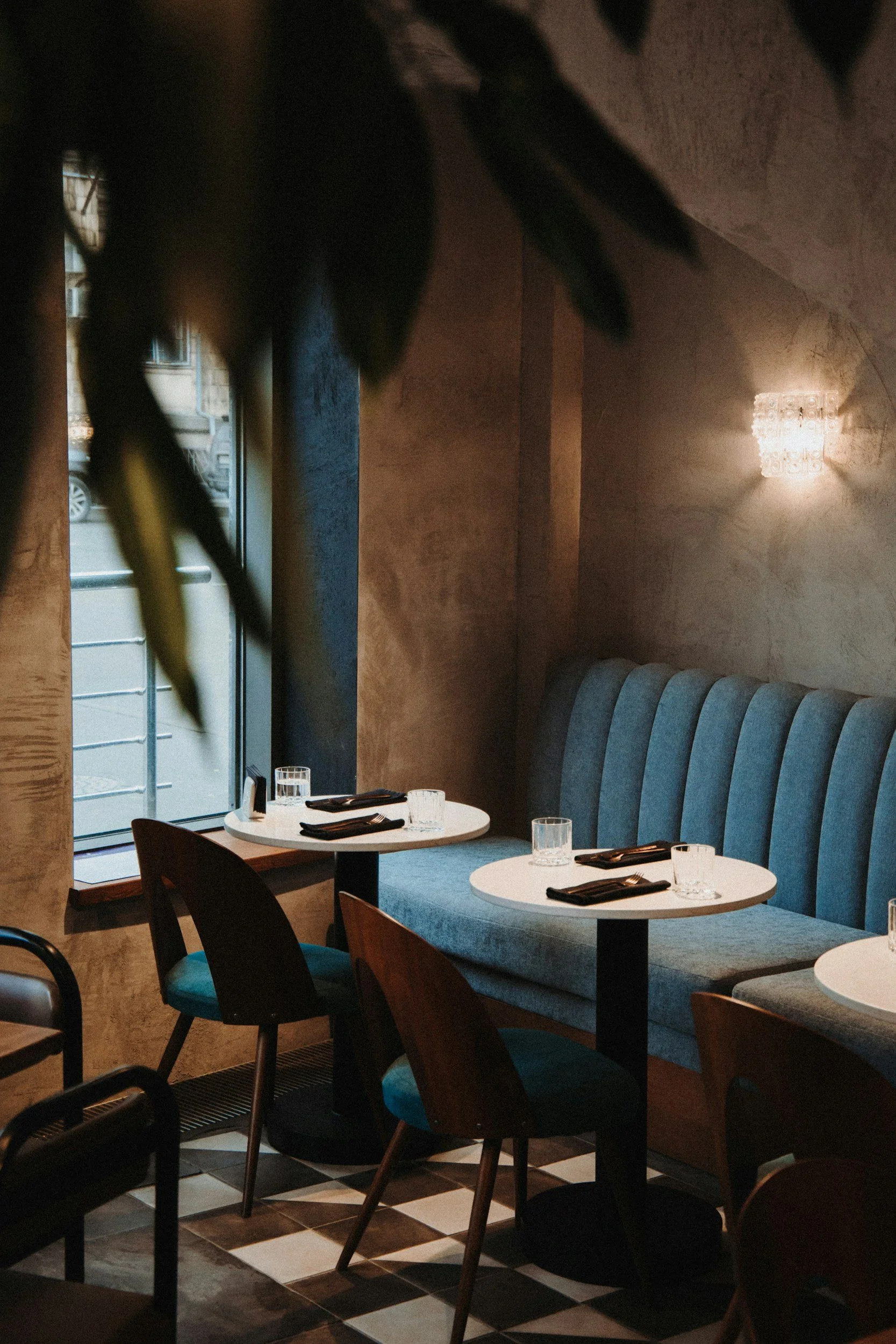
Analog is not exposed brick, handwritten signs, or vintage references layered on for effect. When analog becomes styling, it loses its power.
True analog signals show up in behavior.
They show up in materials that age instead of shine.
In restraint rather than excess.
In moments that feel unoptimized on purpose.
It’s not about looking old. It’s about feeling real.


People Trust What They Can Touch
Screens are efficient. They are also abstract.
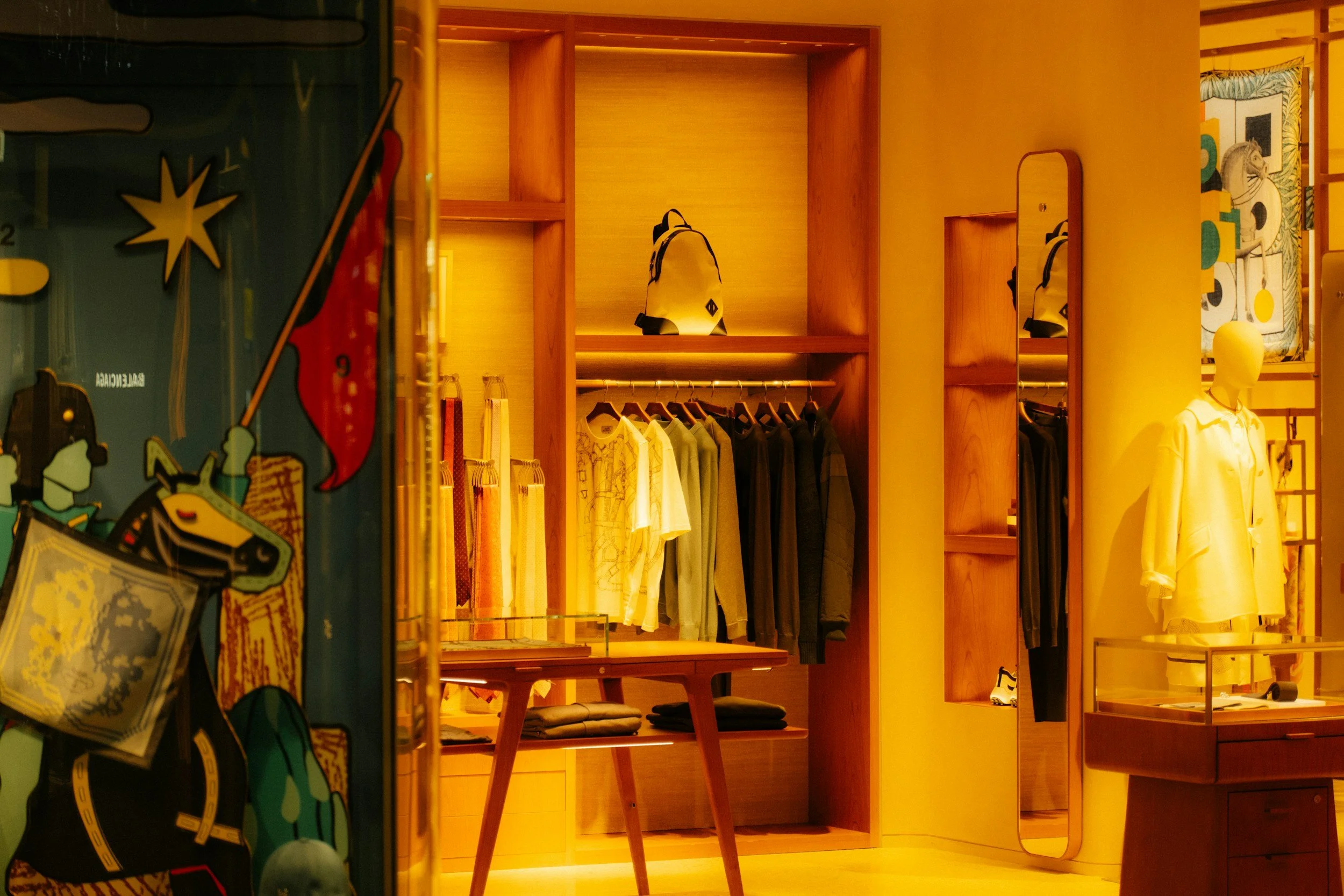
Physical retail stores still own what digital shopping cannot replicate. Weight. Texture. Temperature.
Scale. Presence. These things anchor people in reality. They slow perception. They create memory.
When customers can engage physically with a brand, trust forms faster. They don’t have to be convinced. They can decide for themselves.
That autonomy matters.
Imperfection Reads as Honesty
Perfect environments feel controlled. Sometimes too controlled.
Spaces that allow for variation, wear, and subtle irregularity feel lived in. They feel earned. They feel human.
That doesn’t mean careless. It means intentional.
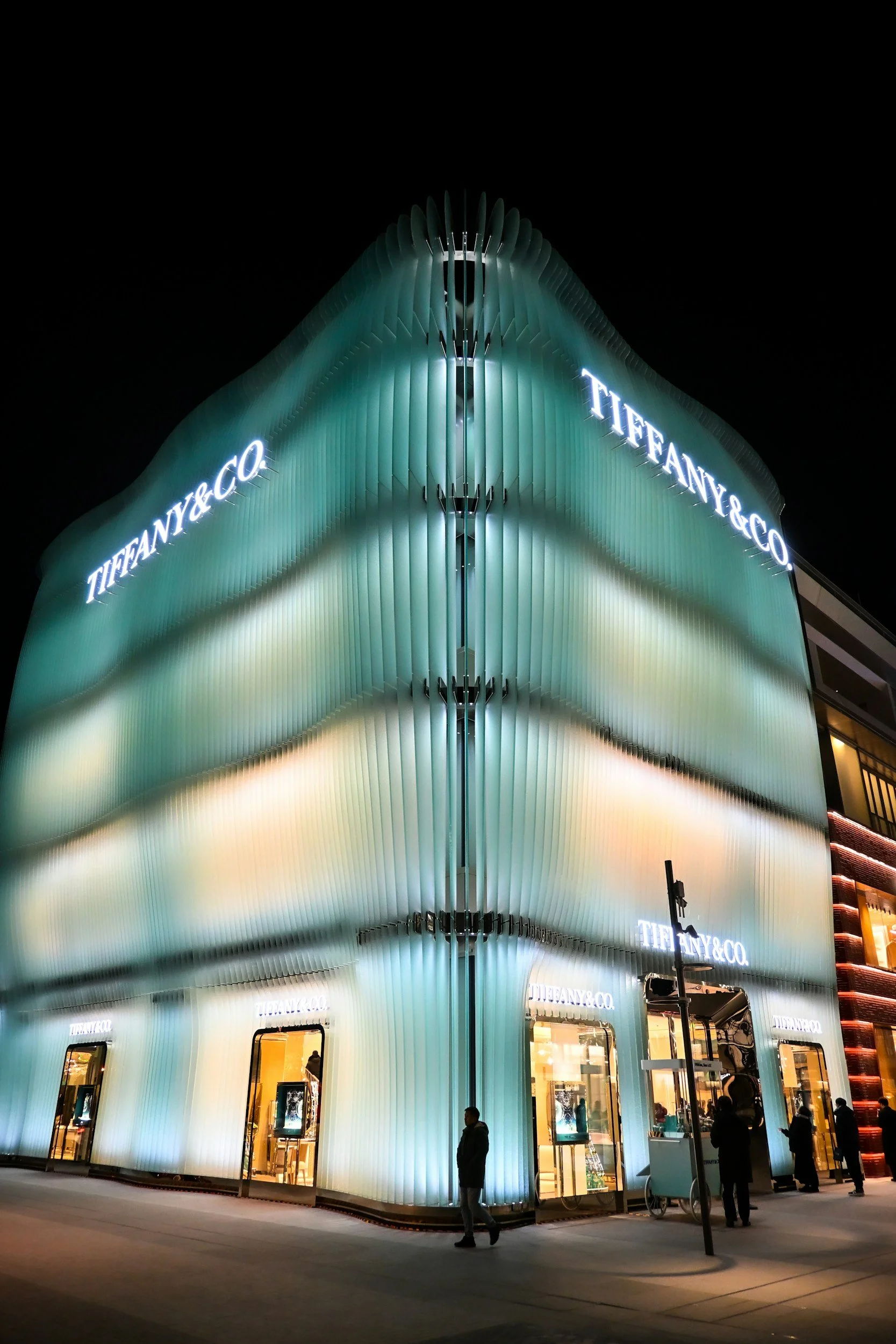
The most trusted retail environments don’t try to impress at every turn. They focus on clarity, quality, and consistency. They let the product and the space speak without over-explaining.


Analog Supports Slowing Down
Analog signals work hand in hand with time.
They encourage people to linger. To notice. To engage without pressure. When everything isn’t flashing, animating, or prompting the next action, customers settle in.
This isn’t about resisting technology. It’s about balance.
Digital excels at speed and convenience. Physical retail earns its value by offering something different. Presence. Focus. A moment that feels grounded instead of optimized.
Where Brands Lose Trust
The danger is performative authenticity.
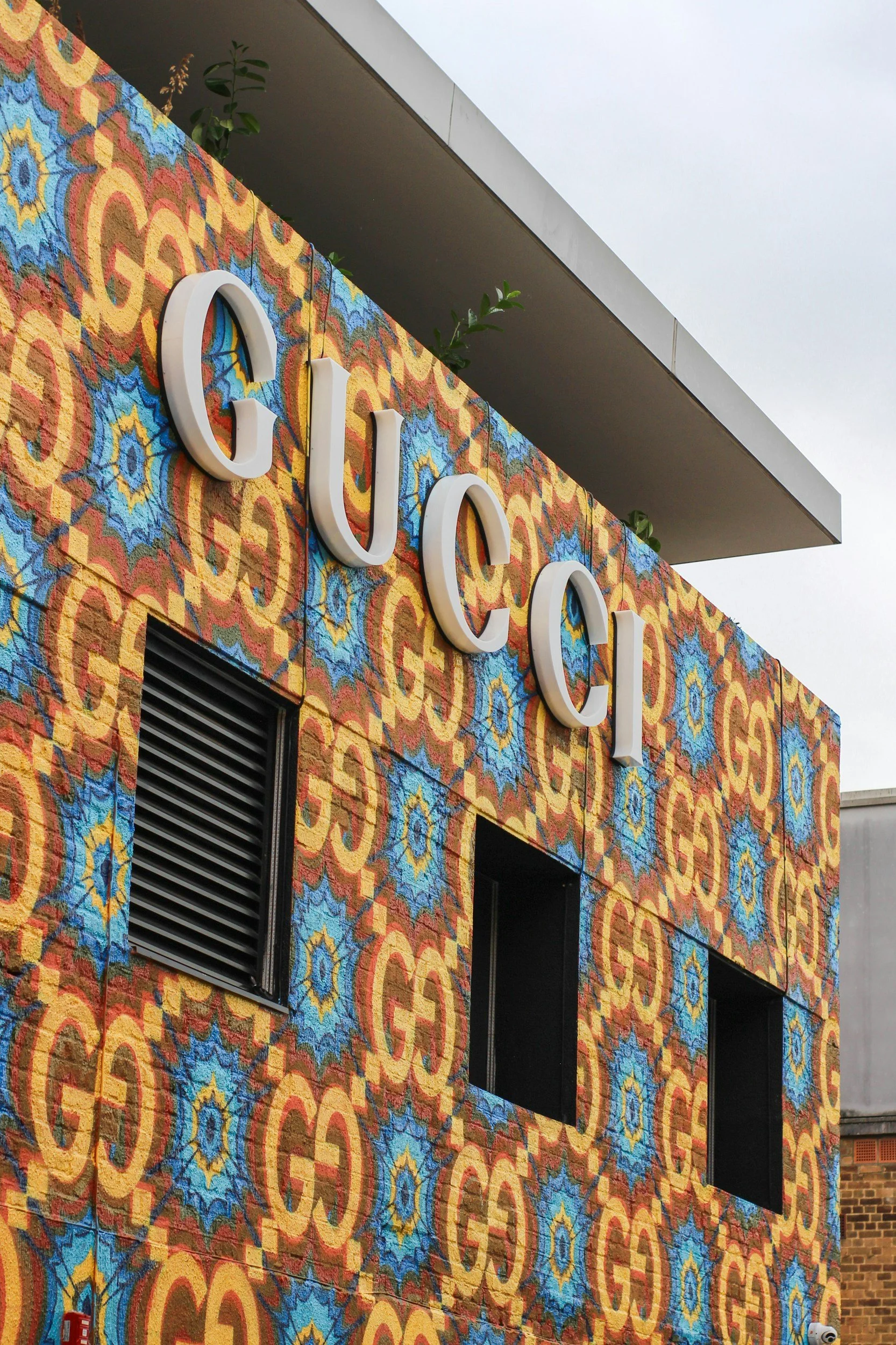
When brands try to manufacture “realness,” customers sense it immediately. Forced imperfections. Overdesigned roughness. Experiences that claim to be human while feeling overly curated.
Trust erodes when analog cues don’t align with how a brand actually operates.
The strongest executions are quiet. Confident. Aligned all the way through.
The Takeaway
Analog is not a throwback. It’s a response.
As digital experiences become easier to create and harder to trust, physical retail has an opportunity to lead with credibility. Not by doing more, but by doing less. Better.
Analog signals tell customers they’re not being rushed. Not being manipulated. Not being sold to at every turn.
They signal that a brand is comfortable standing behind what it’s built.
In a landscape full of noise, that kind of restraint is rare.
And that’s exactly why it works.