
Designing for Dwell Time: Why the Best Stores Aren't Optimized for Speed in 2026
For years, retail was designed around efficiency.
Get in. Get out. Buy quickly.
That model made sense when physical stores were competing with other physical stores. It makes far less sense now.
Digital has already won speed. It always will.
What physical retail still owns is something else entirely. Time. Presence. Human attention. And the most effective stores today are designed to earn it.
This is where dwell time stops being a metric and starts becoming a strategy.
Understanding Dwell Time as a Retail Behavioral Outcome
Dwell time is often talked about as a number to optimize. How long someone stays. How many minutes they linger. How that correlates to conversion.
But dwell time is not something you force. It’s something you create conditions for.
People stay when they feel comfortable.
They linger when pressure drops.
They engage when the space gives them permission to do so.
That behavior is the result of design decisions. Layout. Lighting. Materiality. Flow. Service. Pace.
When those elements are working together, dwell time increases naturally. When they are not, no amount of programming or signage will fix it.


Speed Is a Digital Advantage
Physical retail stores do not need to optimize for speed.. That job is already taken.
Online shopping is efficient, searchable, optimized, and immediate. Trying to replicate that inside a store only highlights what physical retail cannot do better.
What stores can do is slow things down intentionally.
But slowing people down does not mean making things harder.
The strongest stores allow customers to complete their mission easily so they have more time to explore. Clear wayfinding. Intuitive layouts. Obvious service touchpoints. When friction is removed from the basics, customers gain mental space. That freedom is what turns a task into an experience.
Designing to Slow People Down
Slowing people down is not about wasting time. It is about respecting it.
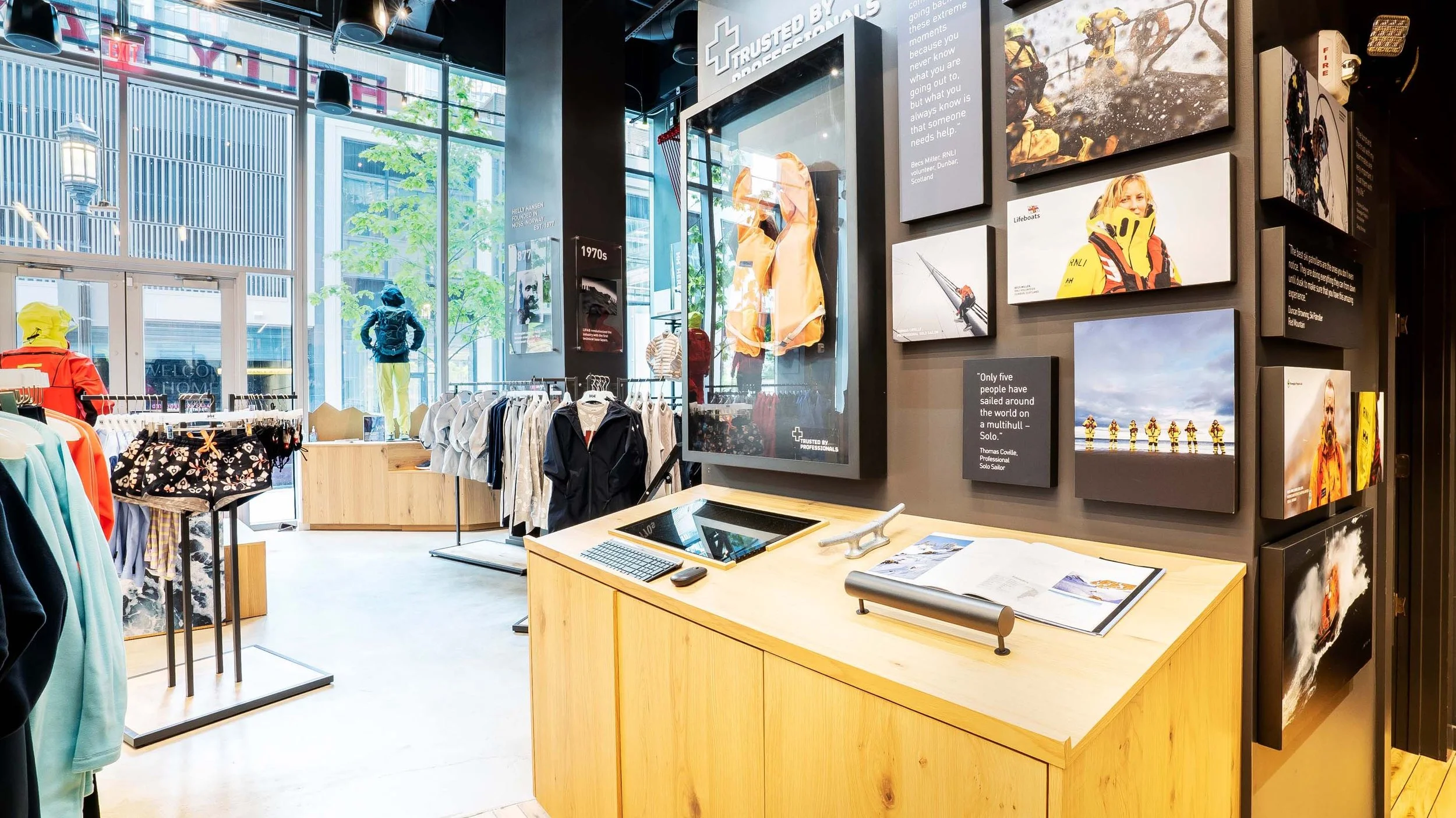
The best retail environments are designed around intentional moments of pause. Places where people instinctively stop, touch, sit, or observe. These moments are not accidental. They are planned.
Lighting cues movement and rest.
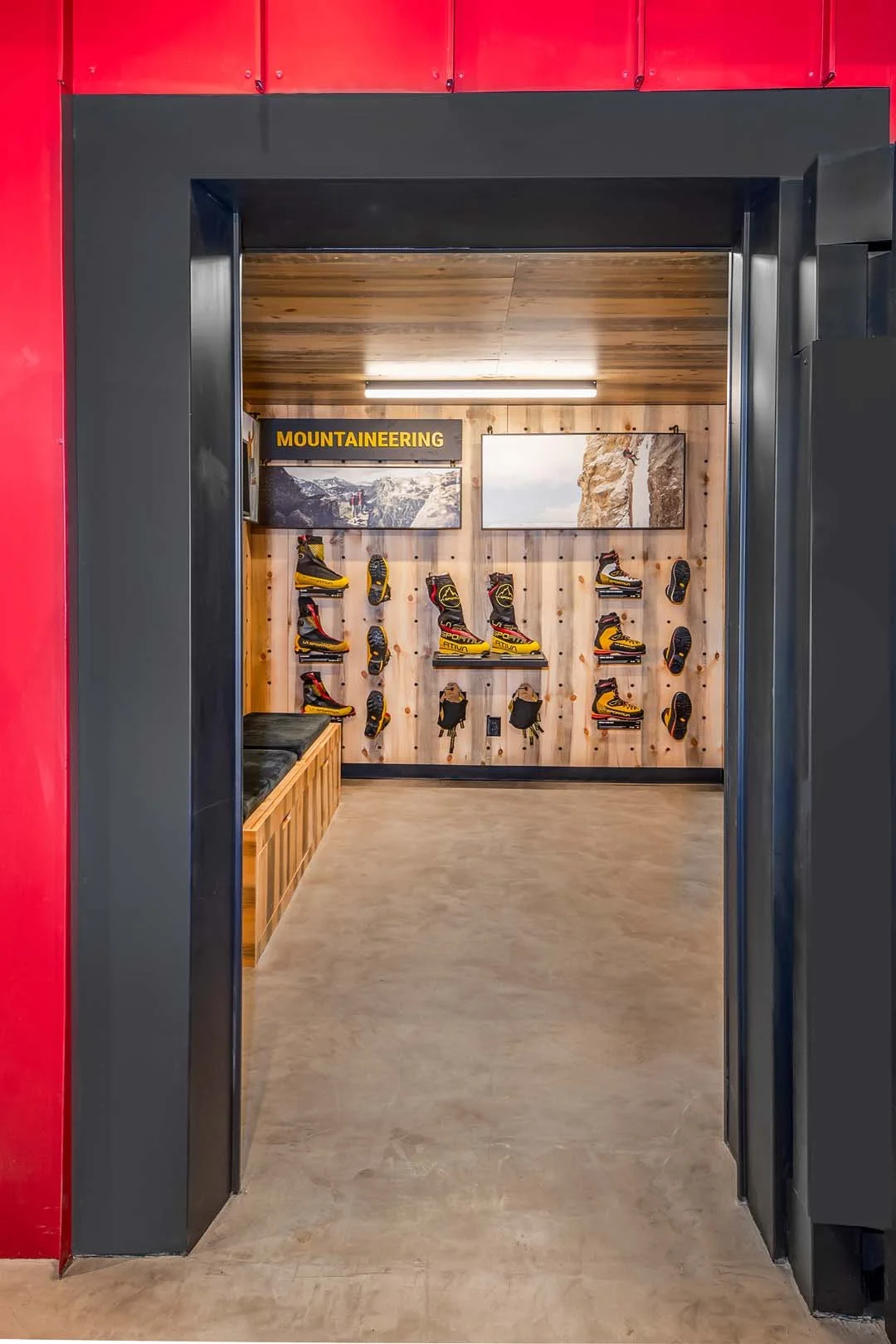
Material changes signal transitions.
Seating invites lingering without explanation.
Service is present but never intrusive.
When done well, the space explains itself. Customers know where to go, when to stop, and how to engage without being told.
This is the difference between experience and decoration.



Why Dwell Time Changes Outcomes
Time spent in a space increases familiarity. Familiarity builds trust. Trust changes behavior.
Longer dwell time leads to deeper product interaction, stronger brand recall, and a higher likelihood that a visit becomes a relationship rather than a single transaction.
But the real value is not just conversion. It is confidence.
Customers who do not feel rushed make better decisions. They feel ownership over the choice. That confidence carries beyond the store and into loyalty.


Not Every Store Needs to Slow Down the Same Way
This is not a mandate to maximize dwell time at all costs. Context matters.
Some retail formats still depend on speed. Convenience has its place. Efficiency still has value.
The point is not to slow everything down. It is to design intentionally for the behavior you want to encourage.
If the goal is exploration, the space must support it.
If the goal is trust, the environment must earn it.
If the goal is relationship, the store cannot feel rushed.

The Takeaway
Dwell time is not about how long someone stays. It is about why they stay.
The best stores today are not optimized for speed. They are designed for comfort, confidence, and care. They remove friction where it does not matter so customers can spend time where it does.
In a world moving faster every day, the ability to slow someone down thoughtfully is not a liability.
It is the advantage physical retail still owns.