
Lighting as Strategy, Not Decoration: Why the Best Stores Use Light to Do the Heavy Lifting
Store lighting is one of the most powerful design tools in retail.
It is also one of the most underestimated.
Too often, lighting is treated as a finishing layer. Something added after the plan is set. Something meant to make the space look good once everything else is decided.
The best stores do the opposite.
They use lighting early. Intentionally. Strategically. Not to decorate the space, but to shape how it works.
How Retail Lighting Controls Customer Flow Before Signage
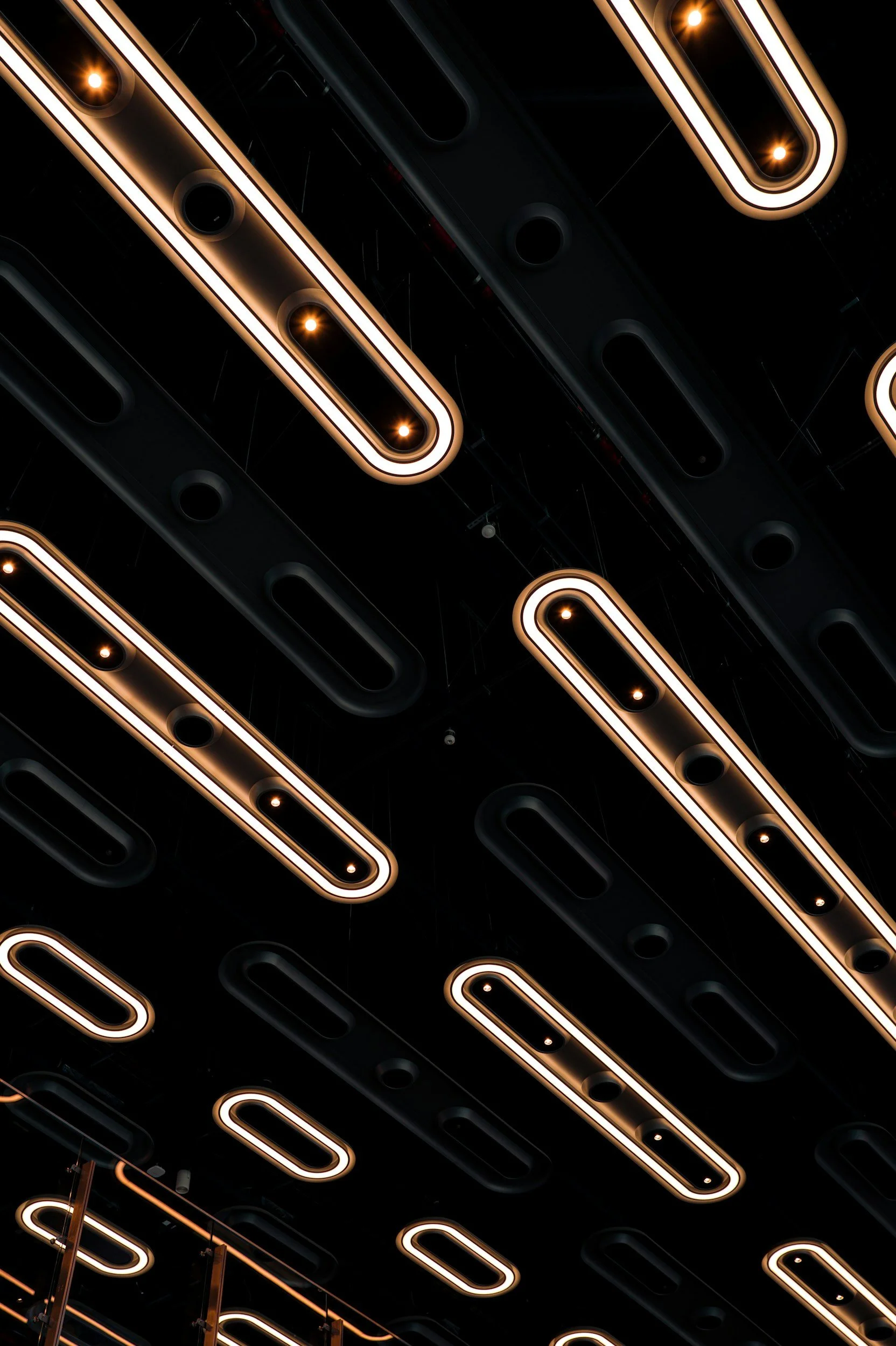
People move toward light. They pause where it feels comfortable. They avoid areas that feel flat, dark, or unresolved.
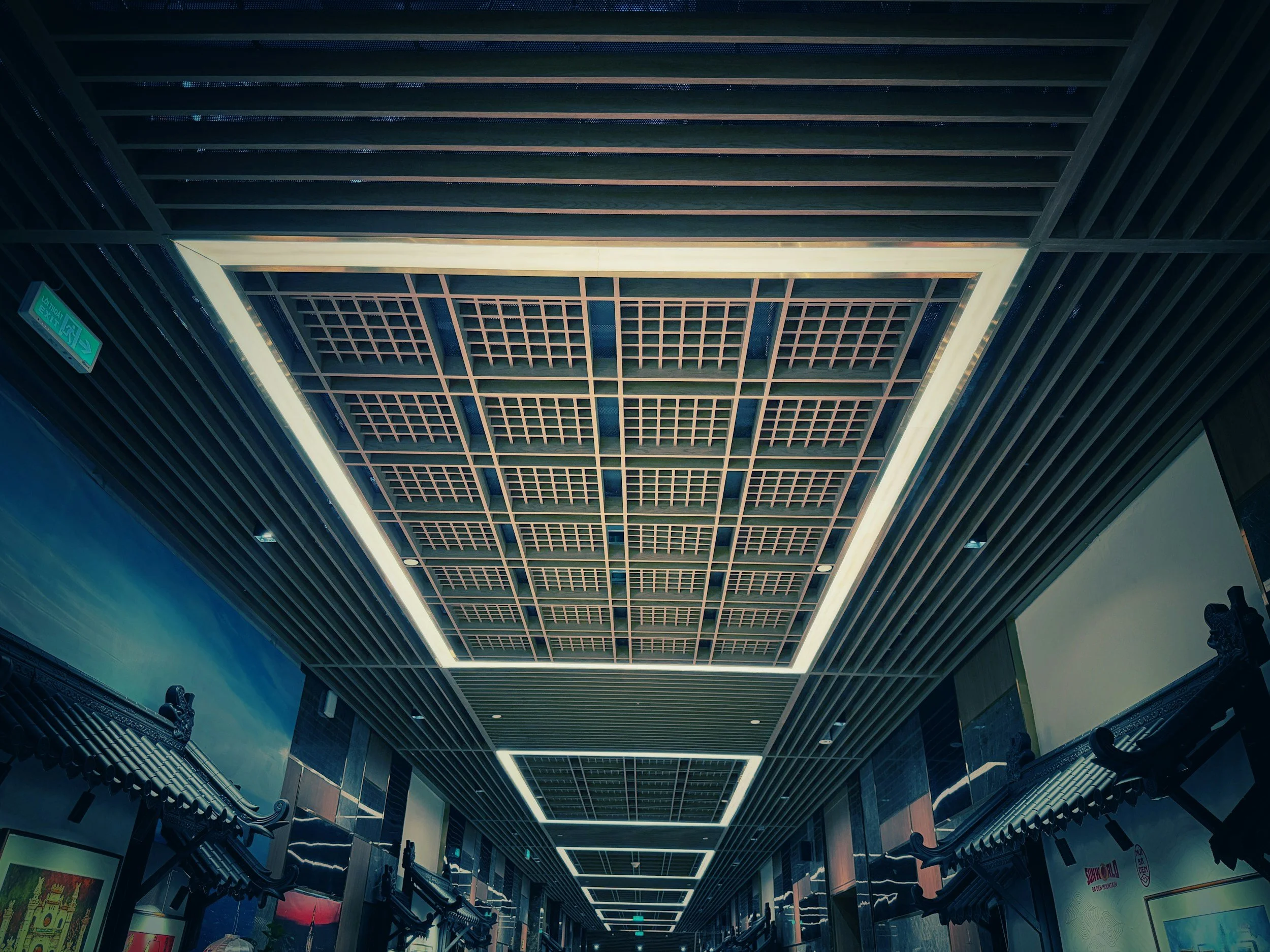
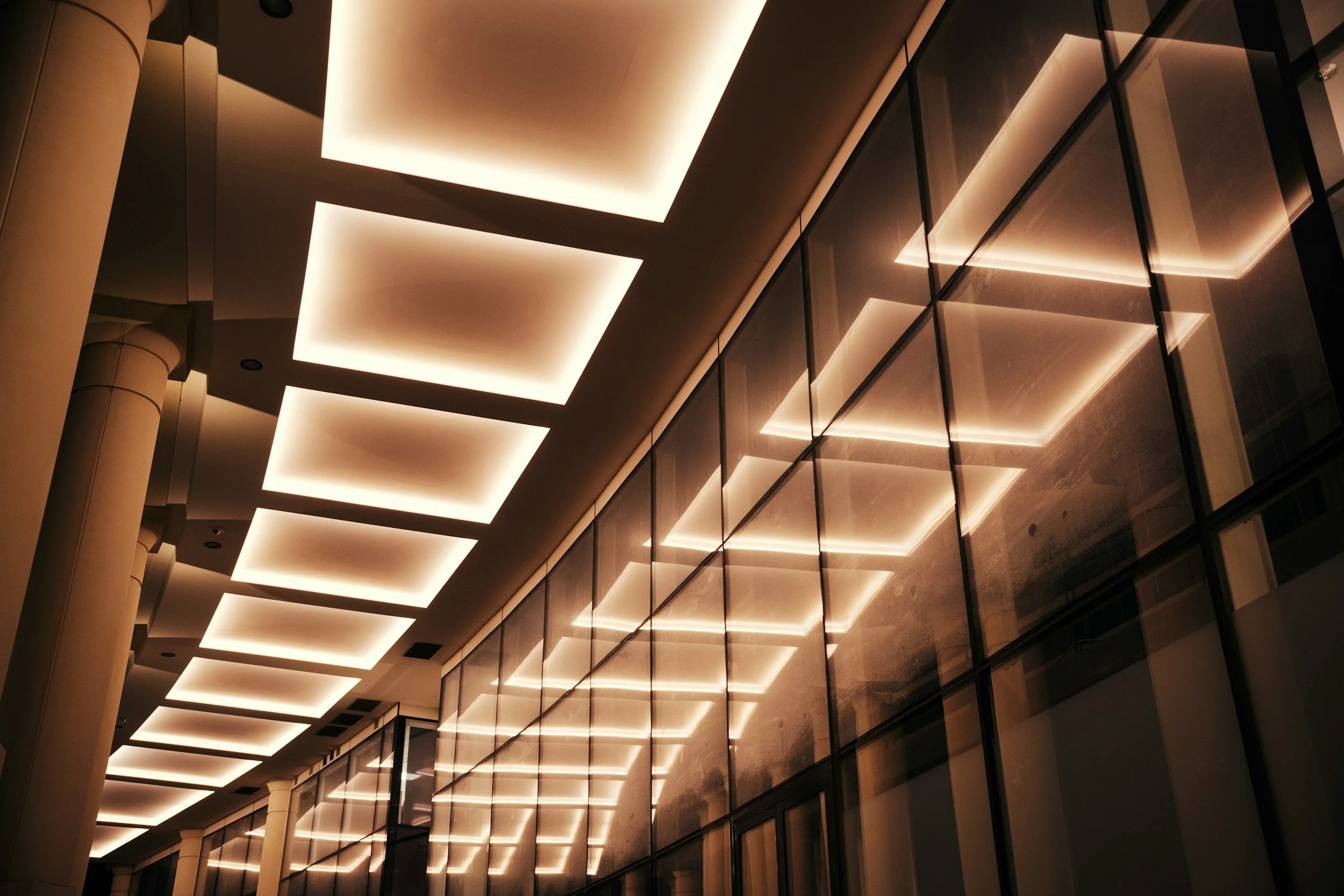
Great retail lighting quietly directs behavior. It pulls customers forward. It signals where to slow down. It creates natural paths through a space without needing arrows, callouts, or instructions.
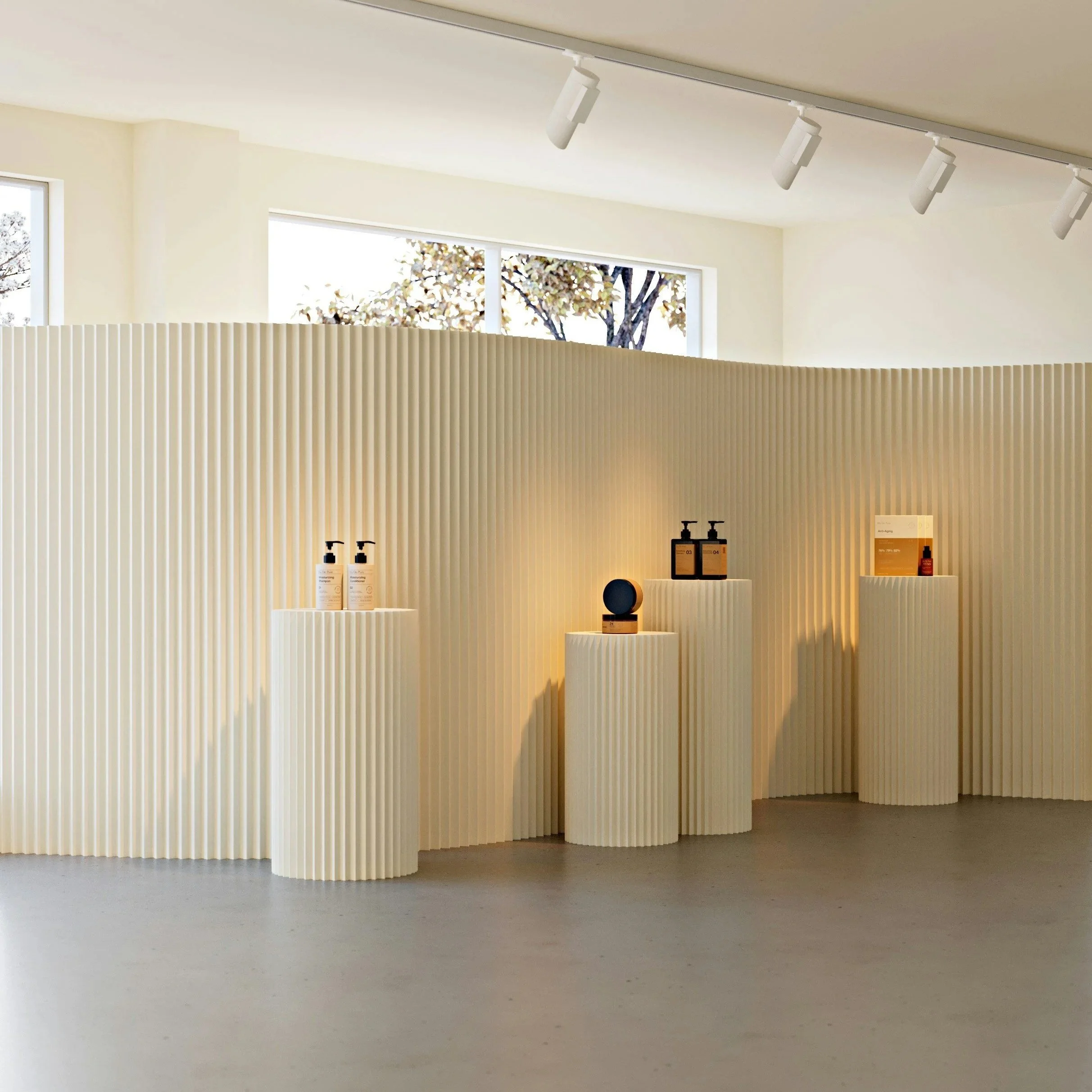
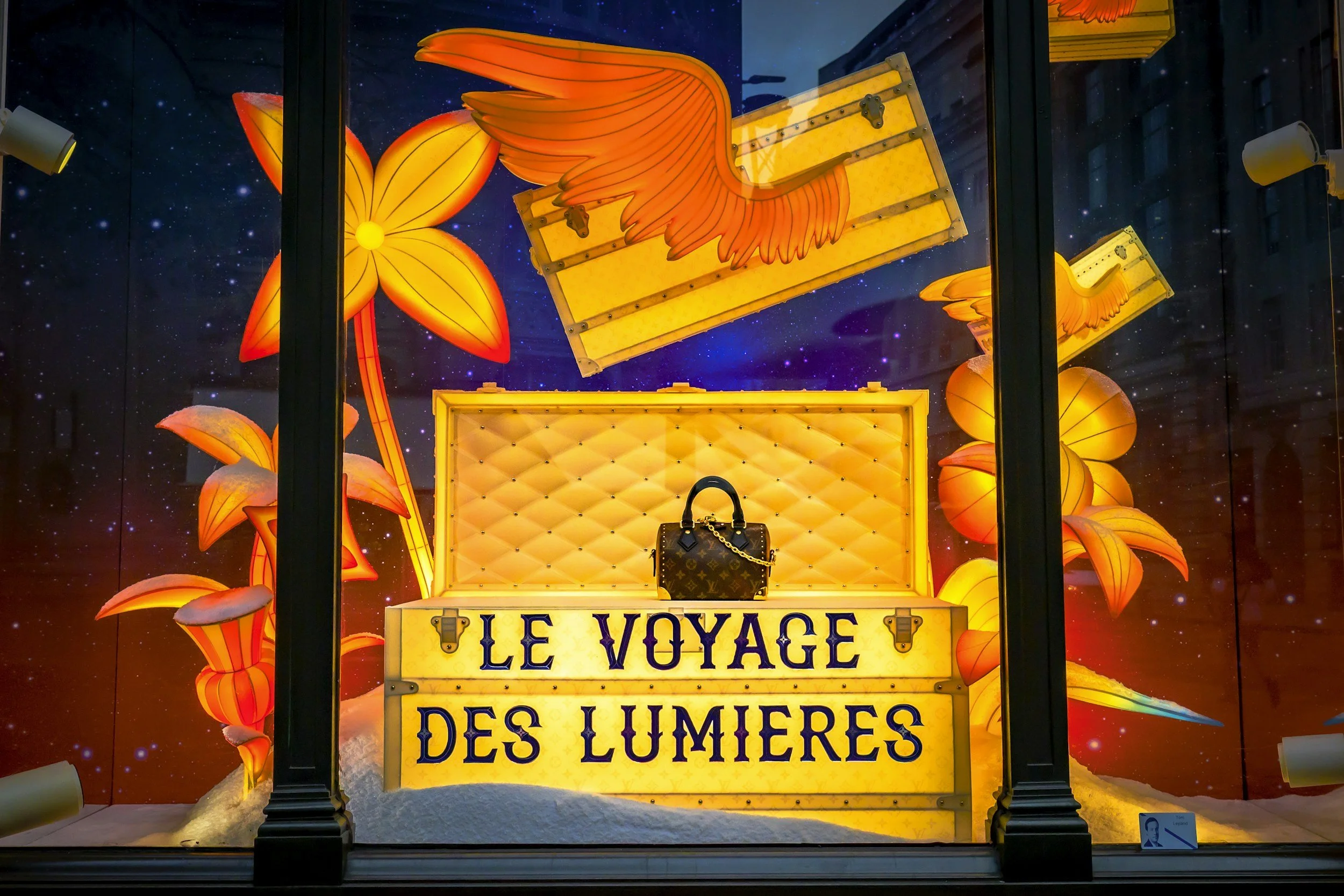
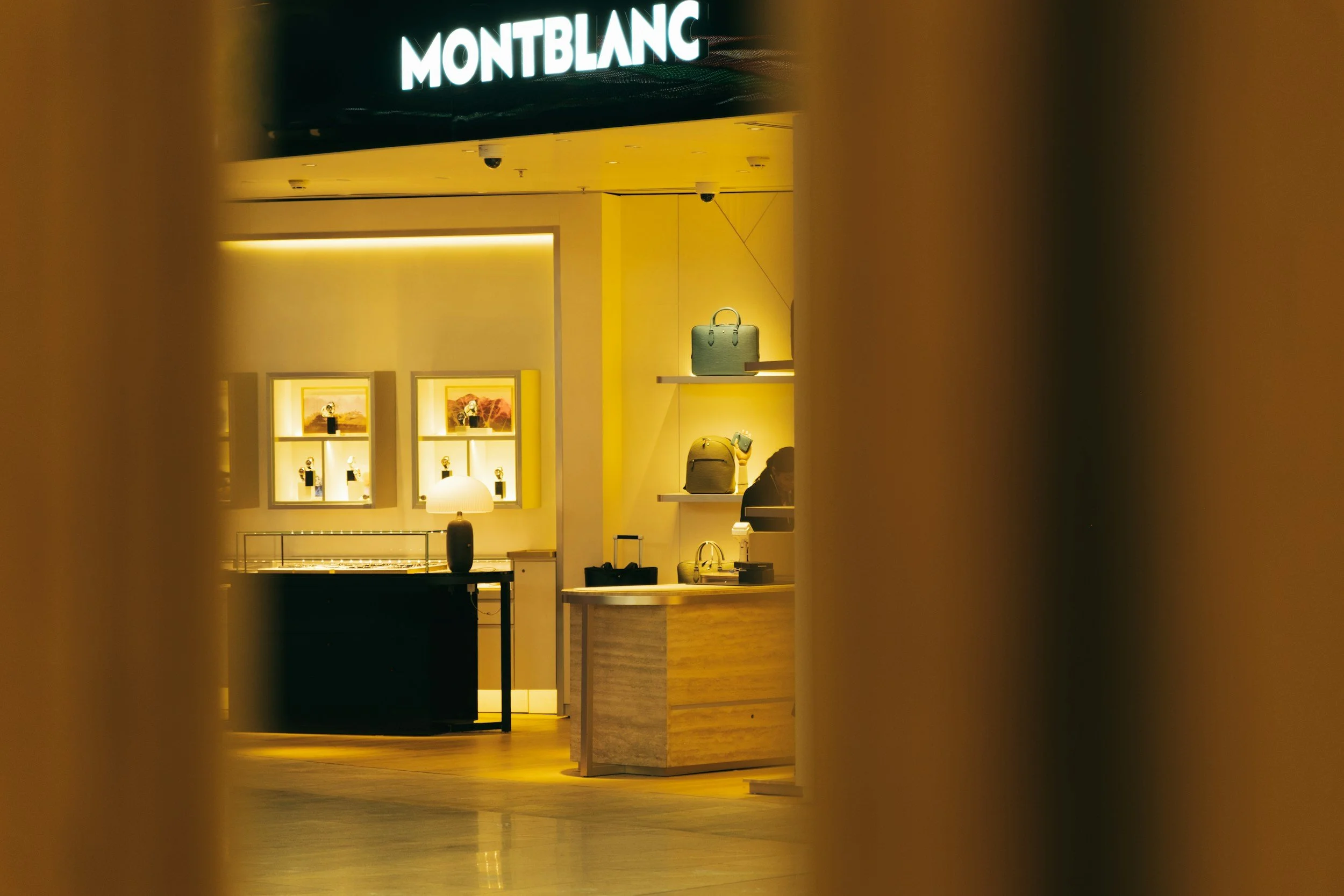
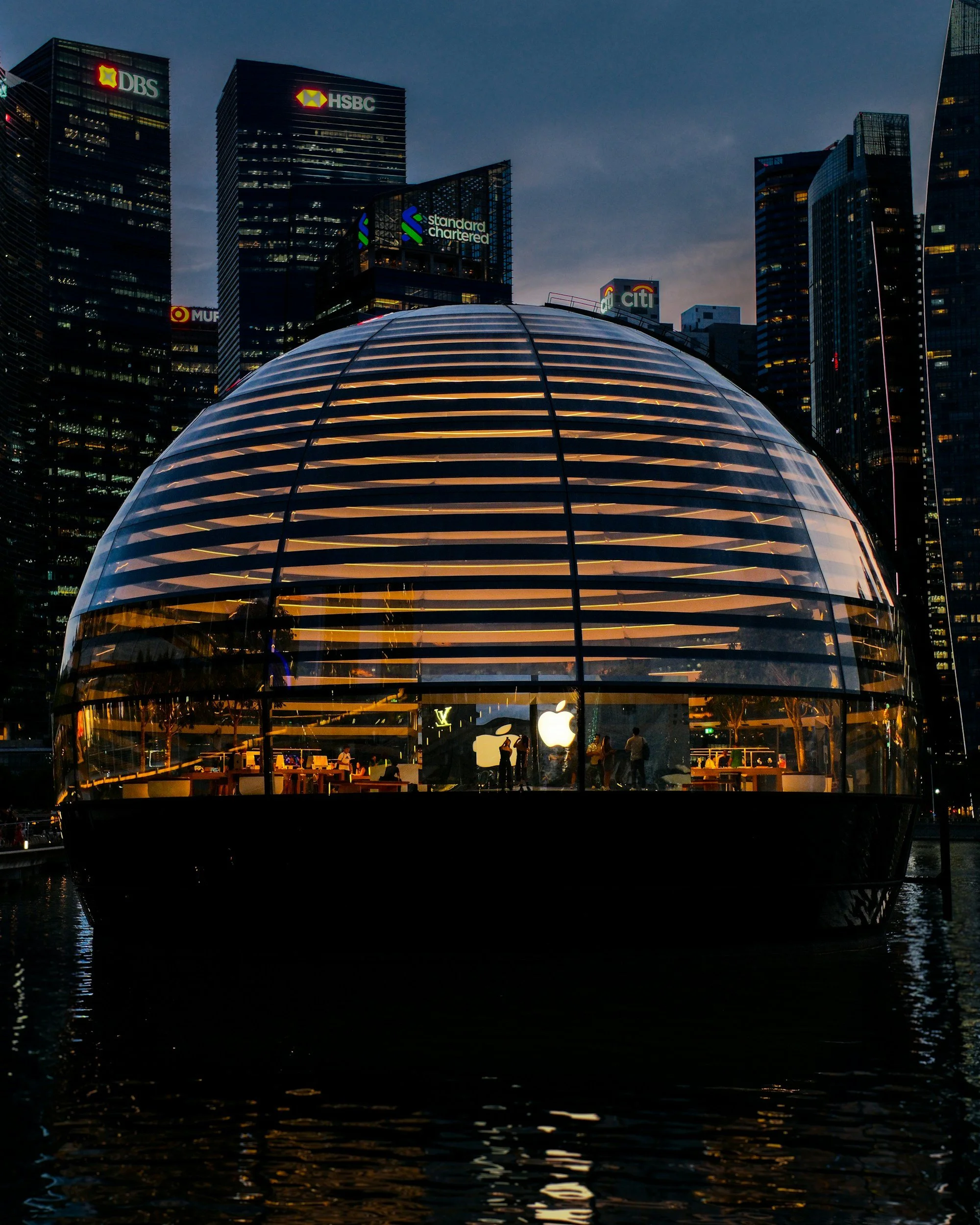
In high-performing stores, lighting often does the work signage is expected to do. It highlights priority zones. It frames hero product. It establishes hierarchy without saying a word.
When lighting is doing its job, the store explains itself.
Lighting Sets Emotional Pace
Lighting is not just about visibility. It sets rhythm.
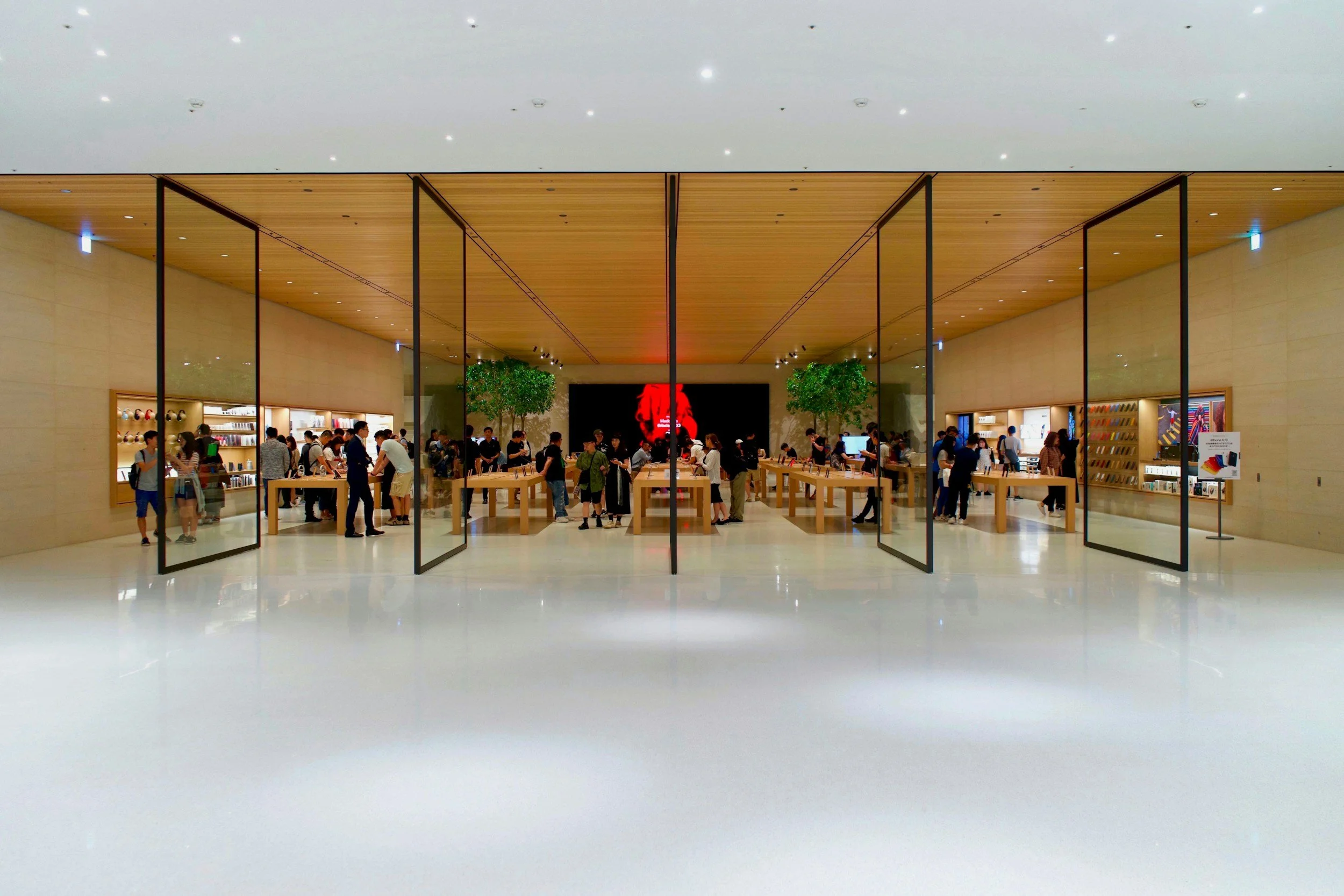
Bright, even lighting encourages movement.
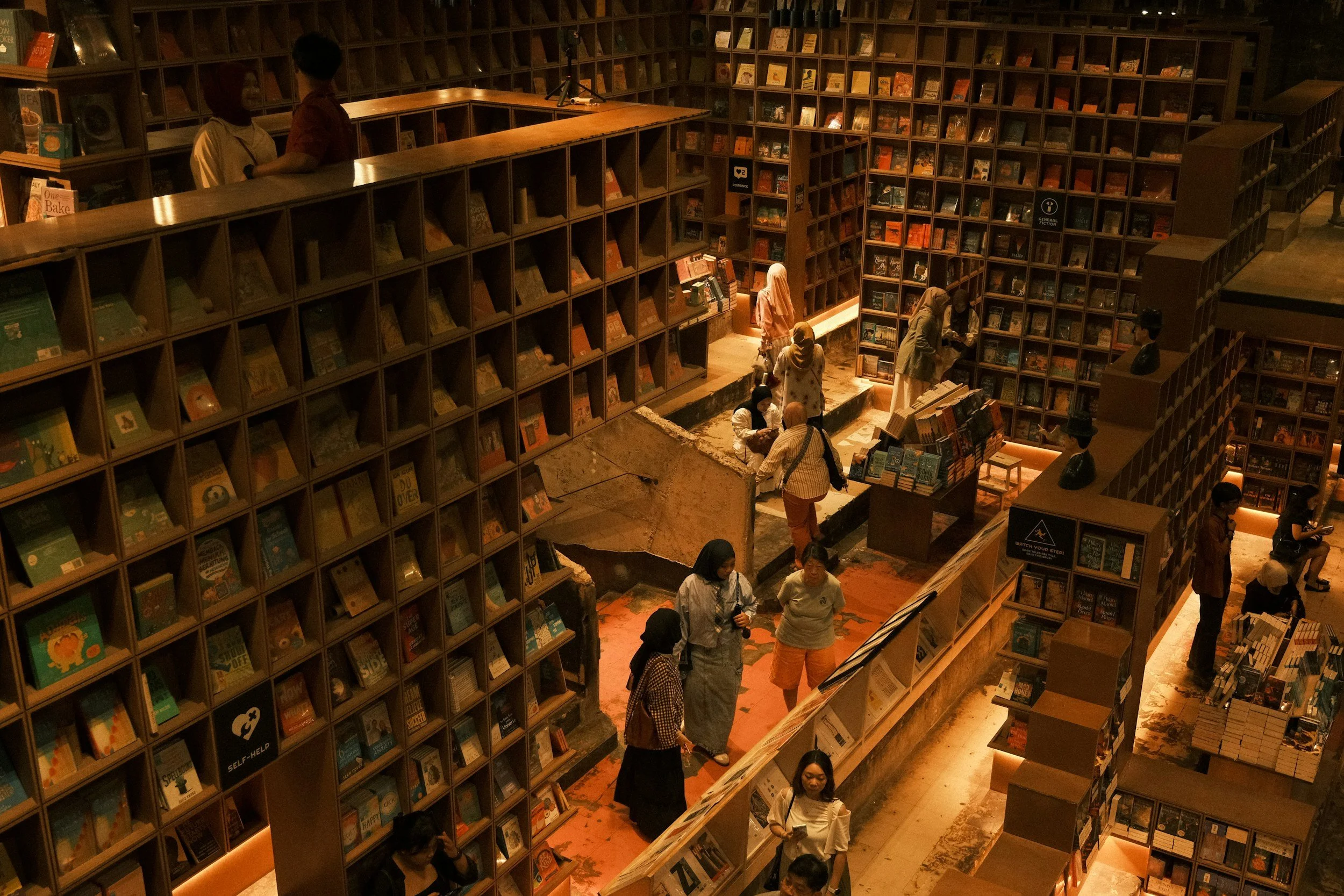
Warm, layered lighting invites pause.
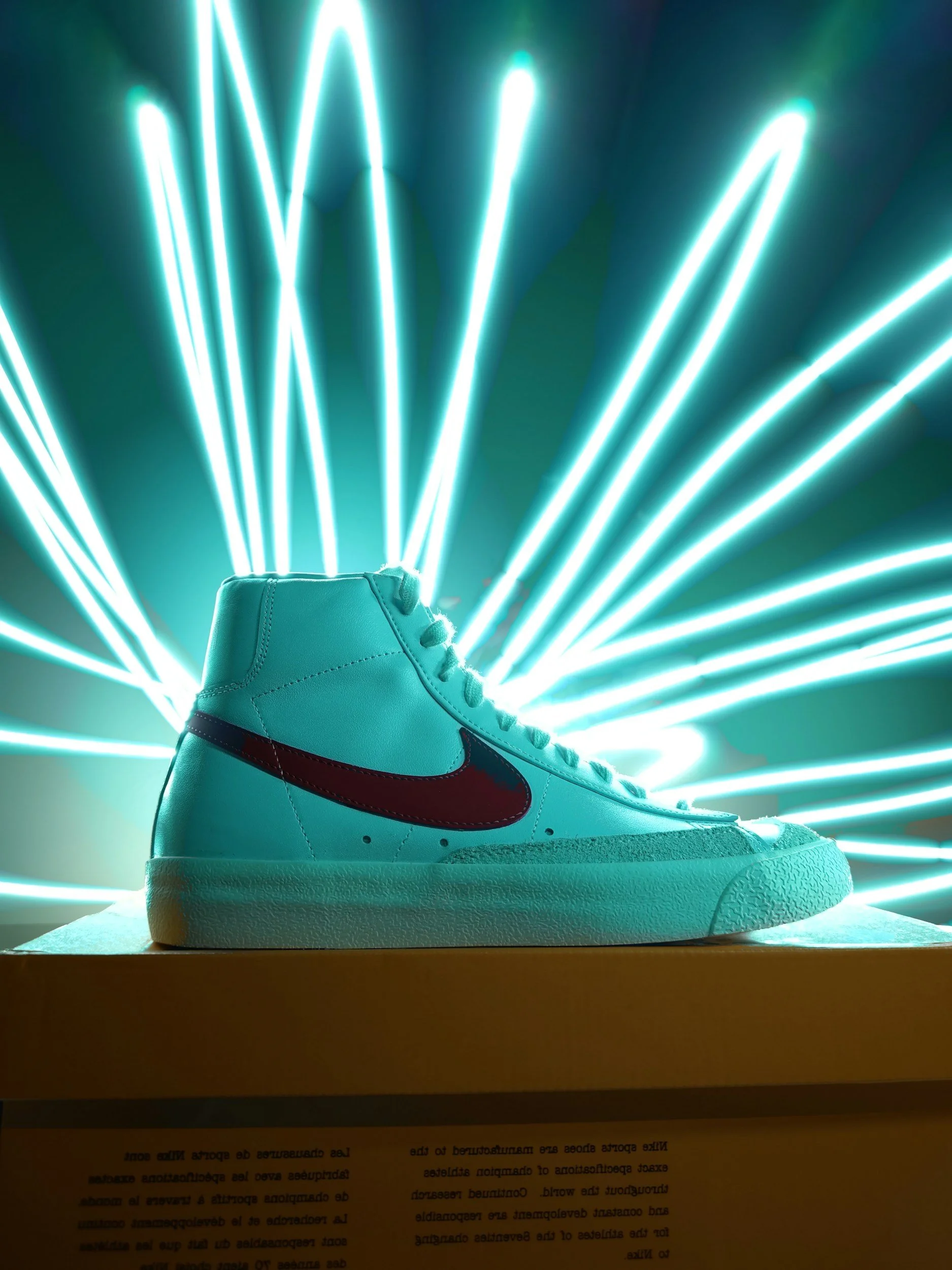
Contrast creates focus.
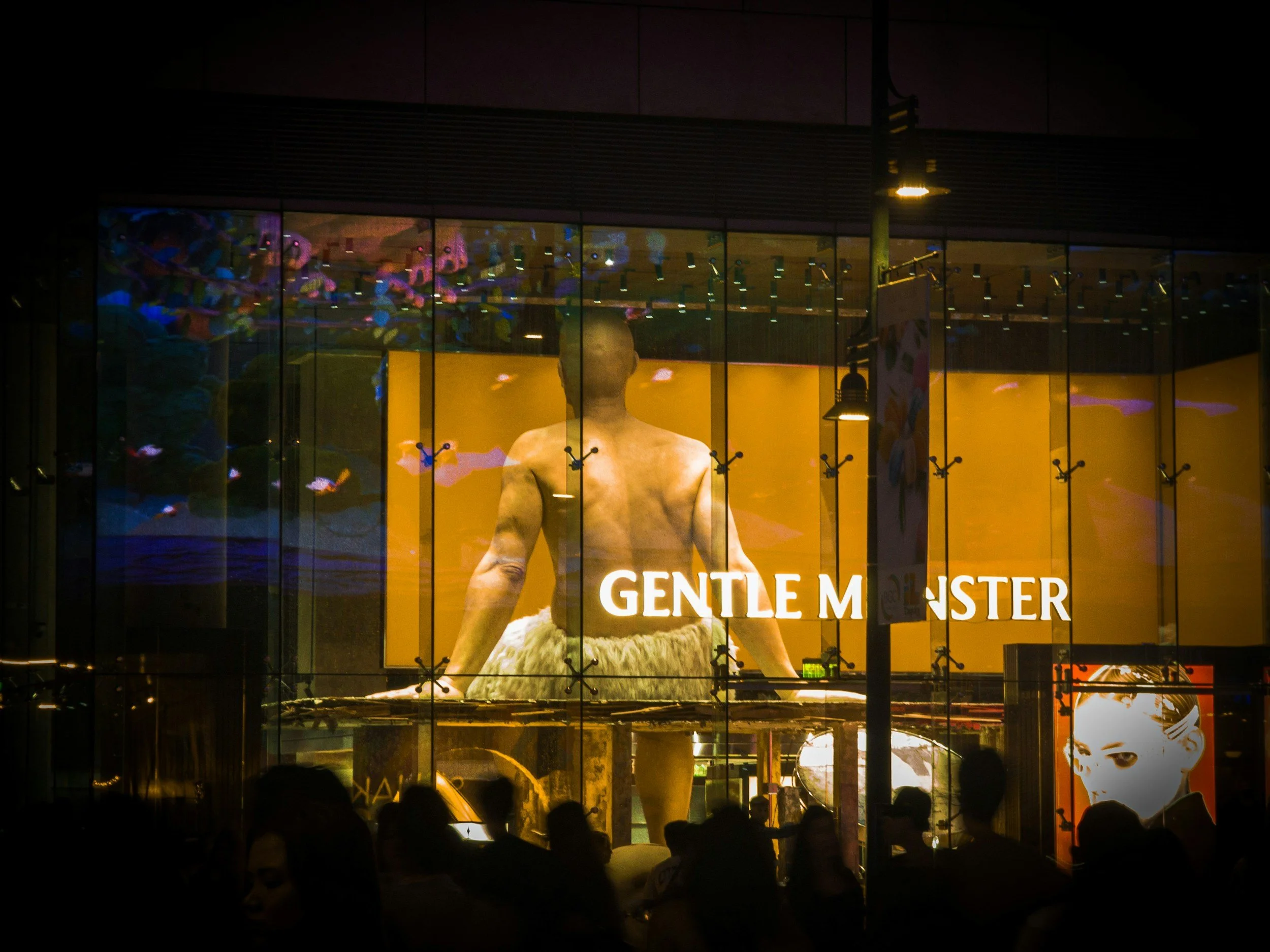
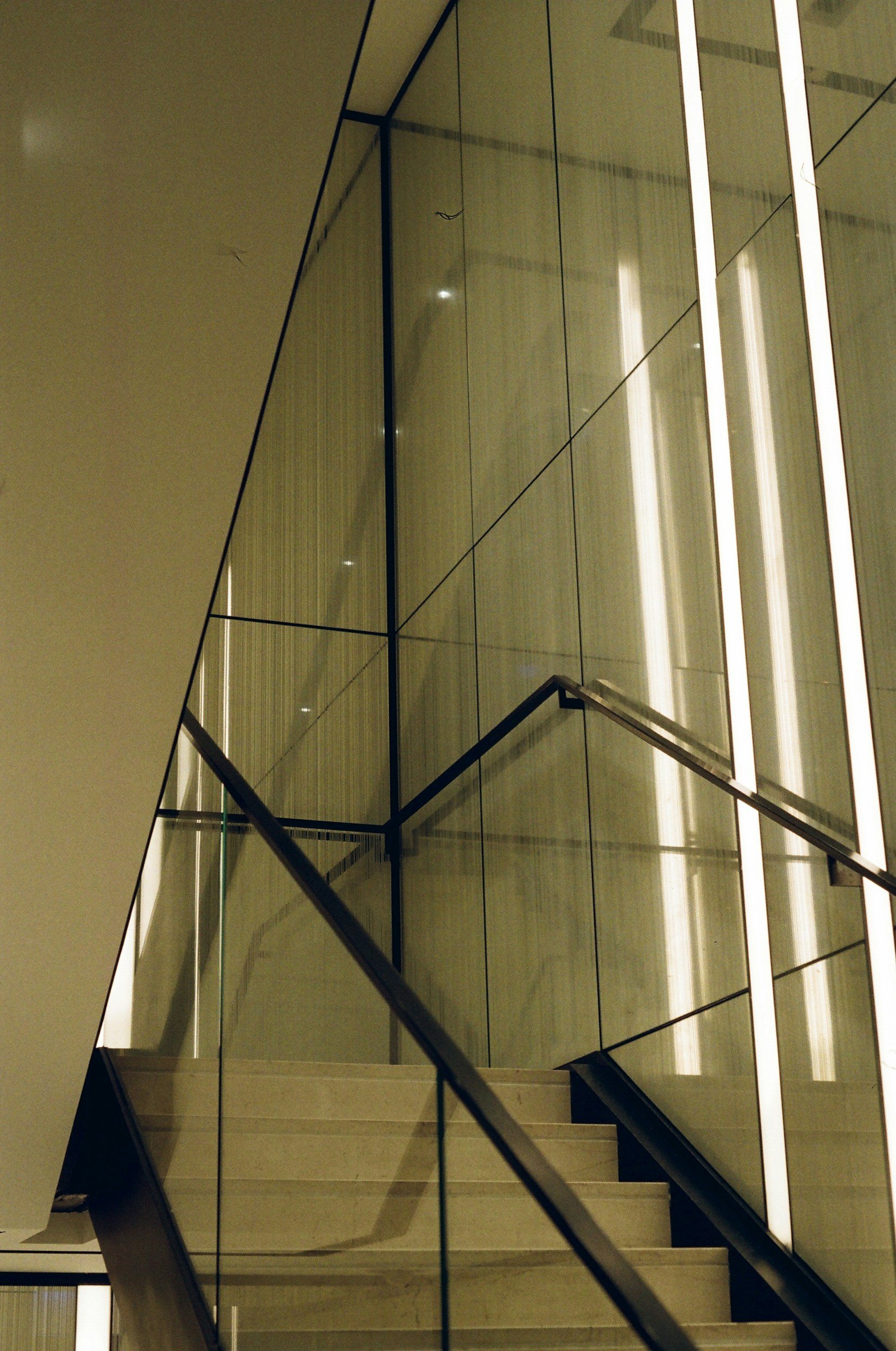
Shadow creates depth and intimacy.
This emotional pacing matters. Customers feel the difference immediately, even if they cannot articulate why. A store with no variation in light feels rushed and transactional. A store with intentional lighting feels considered. Calm. Confident.
Light tells people how fast to move and when it is okay to stay.
When Lighting Is Wrong, Nothing Else Saves It
Poor lighting can undermine even the best design.
Beautiful materials fall flat under harsh or uneven light. Carefully planned layouts develop dead zones. Fitting rooms become confidence killers. Product looks less desirable. People move faster than intended.
This is where lighting becomes a liability, not just a missed opportunity. When people do not feel good in a space, they do not linger. They do not explore. They do not trust what they are seeing.
Design cannot compensate for lighting that works against it.
Lighting Replaces Explanation
One of the most overlooked benefits of strong lighting is how much it removes the need to explain.
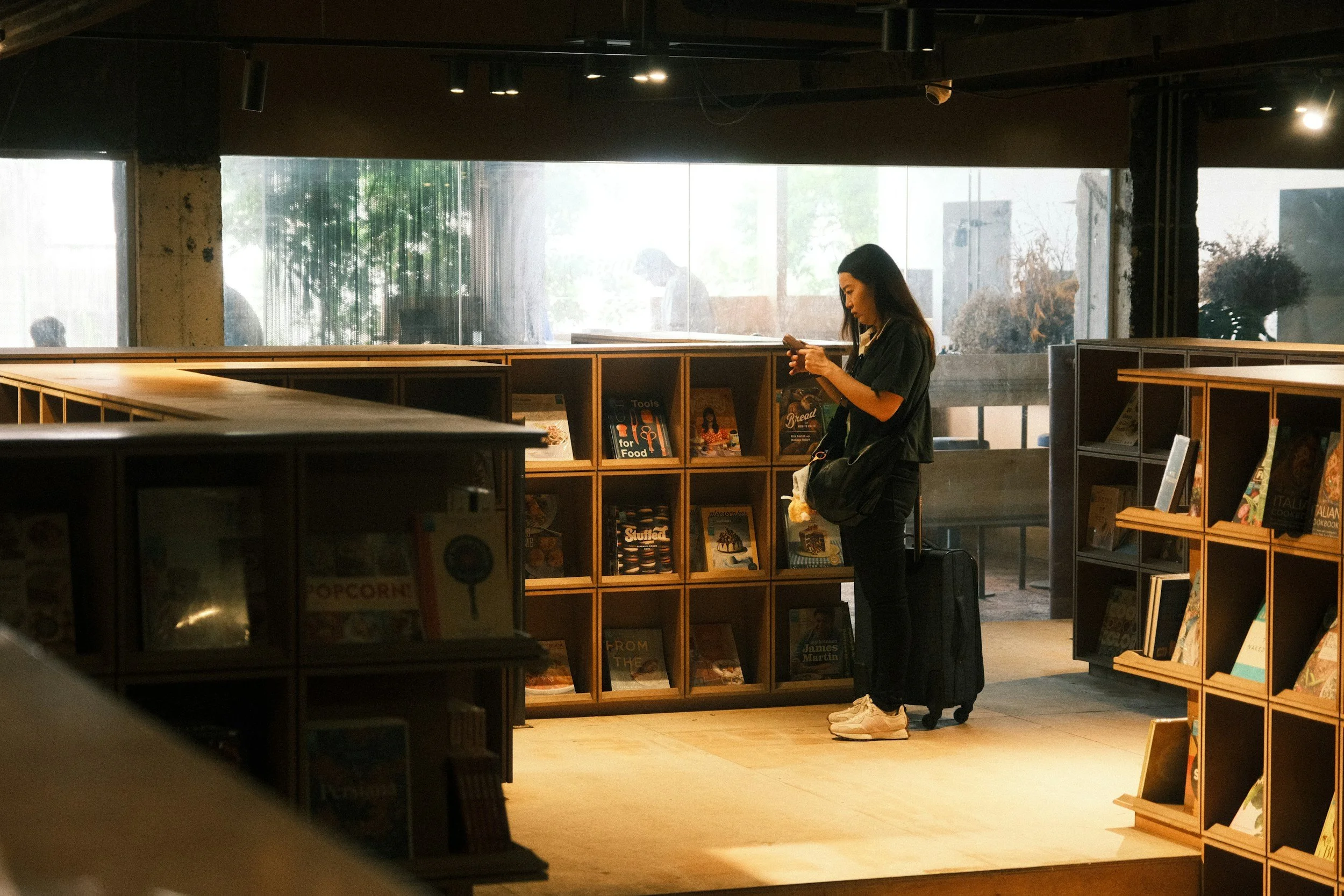
People don’t read in retail. They scan. They move. They react.
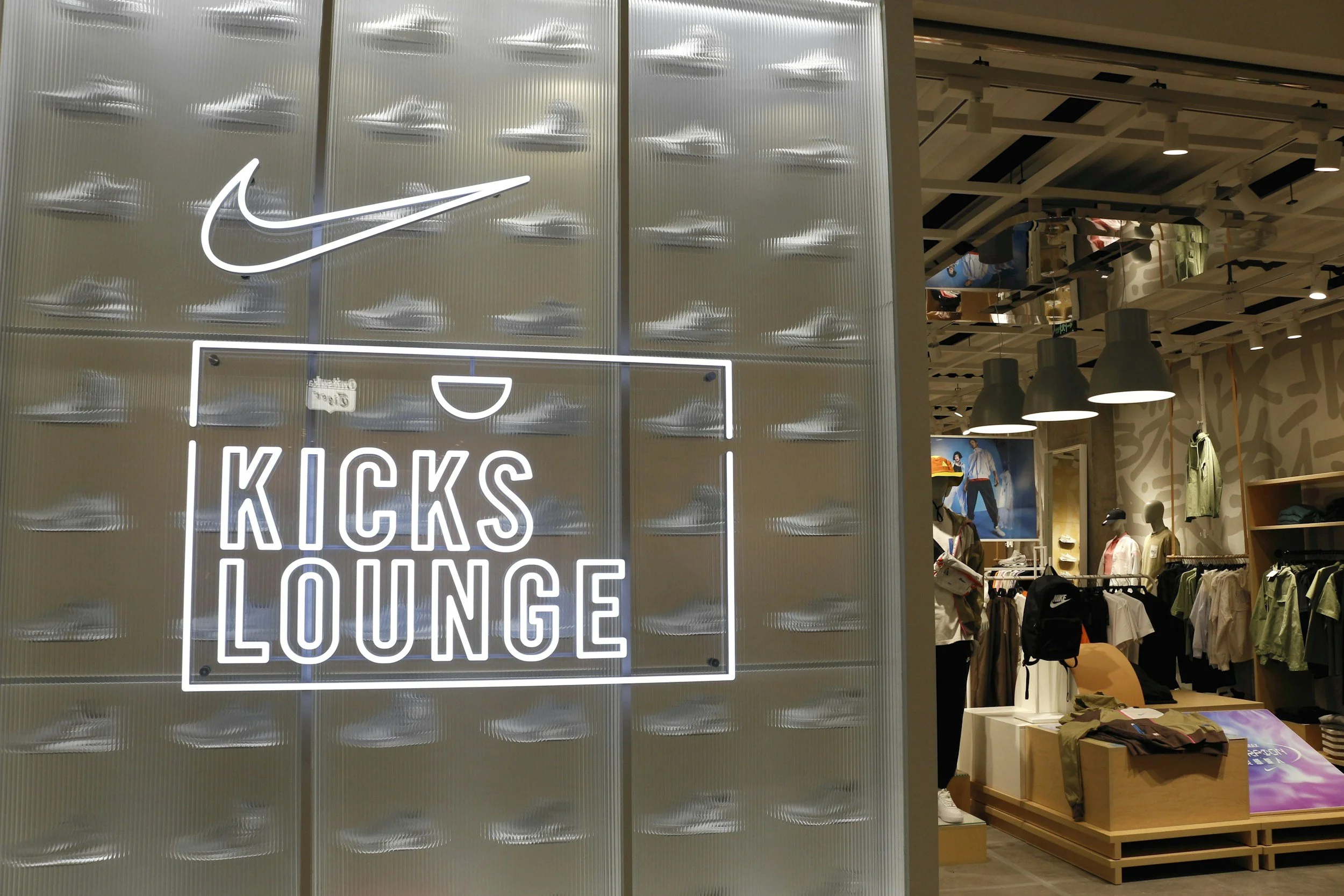
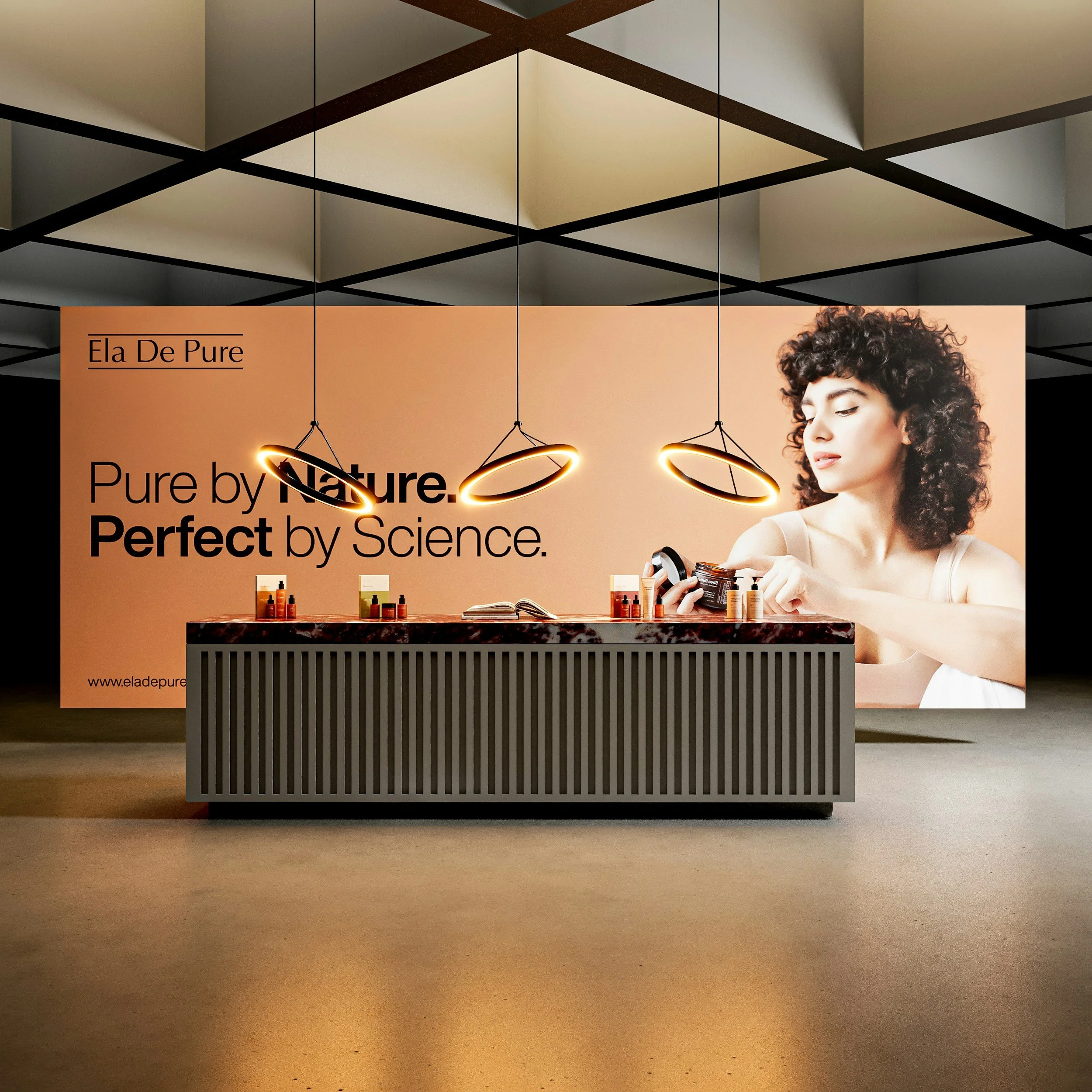
When lighting is intentional, it does the work signage is often asked to do. You need less instruction. Less copy. Less verbal guidance. People instinctively understand where to go and what matters.
Light creates clarity. It lowers cognitive effort. It allows customers to complete their mission easily so they have more time and mental space to explore.
That ease is not accidental. It is the result of discipline.
The ROI of Lighting Goes Beyond Aesthetics
Lighting ROI is often discussed in terms of energy savings and maintenance. Those matter. But they are only part of the equation.
Lighting directly impacts outcomes most brands track elsewhere:
dwell time
product perception
customer confidence
conversion in high impact zones like fitting rooms
how long a space stays relevant without redesign
When lighting is done right, it extends the life of the store. It allows flexibility. It supports evolving merchandising without rework. That is strategic value.
The Takeaway
Lighting is not a finishing touch. It is infrastructure.
It controls flow.
It sets emotional tone.
It replaces signage.
It protects design intent.
The brands that understand this treat lighting as a core part of their strategy, not a line item at the end. They plan it early. They design it with purpose. They use it to shape behavior, not just illuminate product.
In retail, light is doing more work than most people realize.
The best stores know it.