
This is the first Black Friday an AI can find the deal and check out for you.
And the generation using AI the most is the one walking back into stores.
That sounds like a contradiction. I think it's the clearest signal retail has had in years.
For the first time, AI agents can buy directly from online stores inside tools like Google's AI Mode, Gemini, Microsoft Copilot and Meta's Muse. Same price. Same product. From the couch. In pajamas. And now you don't even have to do the clicking.
So why would anyone drive to your store?
Online Already Won the Easy Part
Online already won on speed, convenience and, let's be honest, our laziness. It always will. A store that tries to beat a website at being a website has already lost.
What's interesting is who's proving there's more to it. Gen Z isn't avoiding AI. They're handing it the chores. In Deloitte's holiday survey this year, nearly half of Gen Z said generative AI is their main tool for at least one shopping task. Comparing prices. Tracking markdowns. Narrowing forty options down to three.
But look at what they do with the time it frees up. PwC found that 71% of Gen Z shoppers enjoy browsing in person, more than shoppers overall (60%). And ICSC, the shopping center association, says almost half of Gen Z store shoppers treat the trip as a social outing, mixed in with dining and entertainment.
They aren't choosing stores over screens.
They're choosing what each one is good for.
The screen handles the errand.
The store gets the afternoon.
That matters more every year. For the first time, Gen Z and millennials are expected to account for half of all holiday spending.
When AI Does the Shopping, What's the Store For?
The store has to win on feeling. Feeling builds connection, and connection is what people remember long after they've forgotten what they paid.
That can sound soft. I'd argue it's the most practical thing in the building, because it's the one advantage physical retail still owns.
Feeling isn't a mood, though. It's a set of decisions you can make on purpose.
A try-on that's actually enjoyable. Kind light. A mirror with some room around it. The fitting room is where "maybe" turns into "yes," so it deserves better than a curtain and a hook.
Someone on the floor who knows the product like it's theirs. A search bar can't see your face when the boot doesn't fit. A person can.
Help that feels like shopping with your best friend, not being sold to. You know the difference the second it happens.
Space for more than one person. Gen Z shows up with friends. Give them somewhere to linger together, not just an aisle to get through.
Three Brands Worth the Drive
Some of the smartest stores out there aren't competing on price at all. They're competing on what happens inside.
L.L.Bean, Freeport, Maine.
The brand put $50 million into reimagining its flagship and campus, the biggest investment it has ever made in its retail experience. The payoff isn't more racks. There's a café meant as a natural gathering place, a Custom Shop for personalization, and an expanded Discovery Park with more room for concerts, events and outdoor programs. And for the holidays, a Northern Lights celebration takes over Discovery Park starting in early November.
Try getting that delivered.
Leica, Chicago.
The flagship works as a hybrid of commerce, culture and community, with exhibitions that bring in the city's own creative scene. The gallery gives people a reason to walk in long before they're ready to buy a camera.
Paul Smith, New York.
The new two-story flagship on Madison Avenue is inspired by Smith's own home in London's Holland Park, from a faux window that looks onto an image of his private garden to a working speaking tube that connects the tailoring room upstairs to the cash desk. Nobody needs a speaking tube. It's exactly the kind of detail you have to walk in to find.
Three categories. One move. Each store does something no app can.
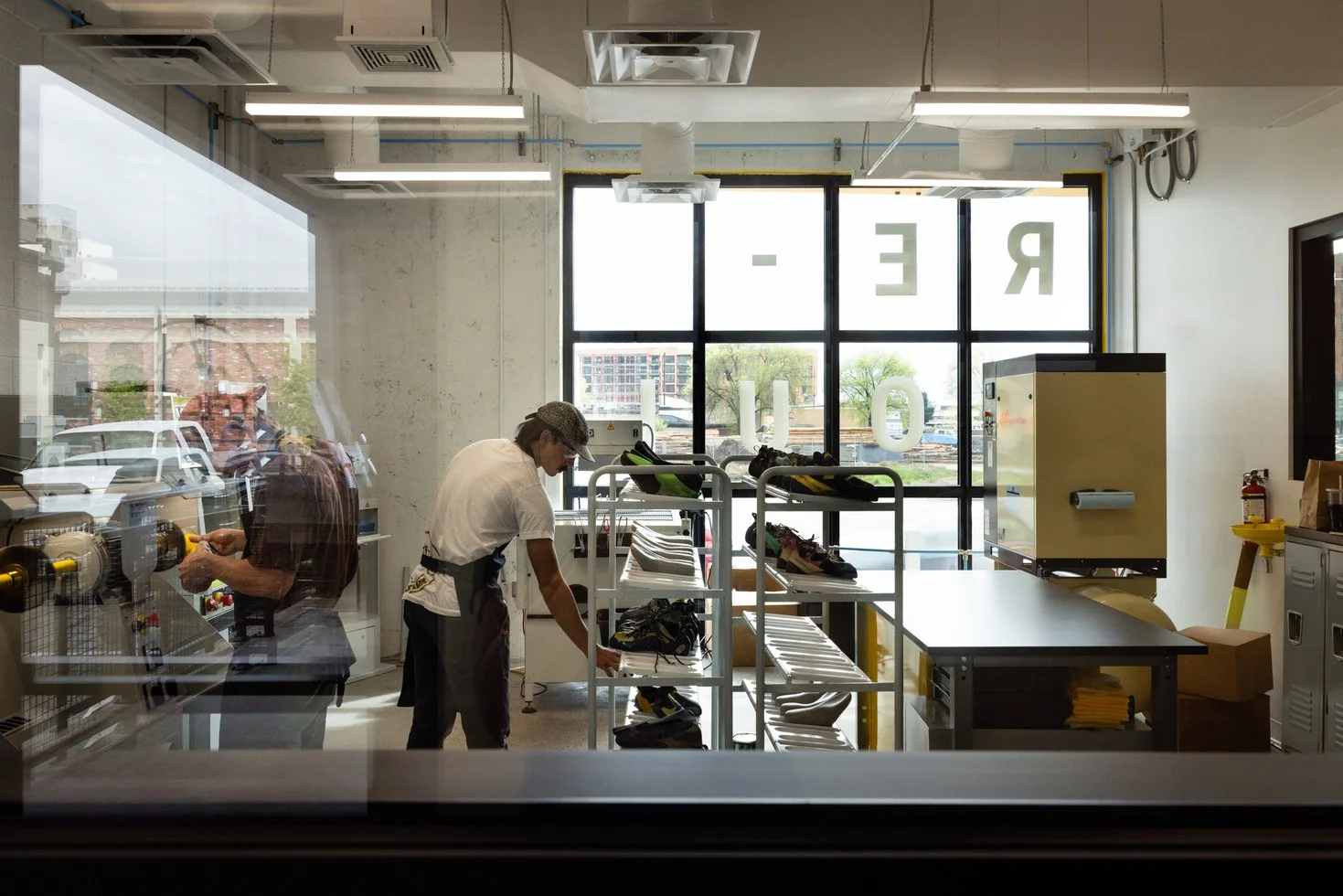
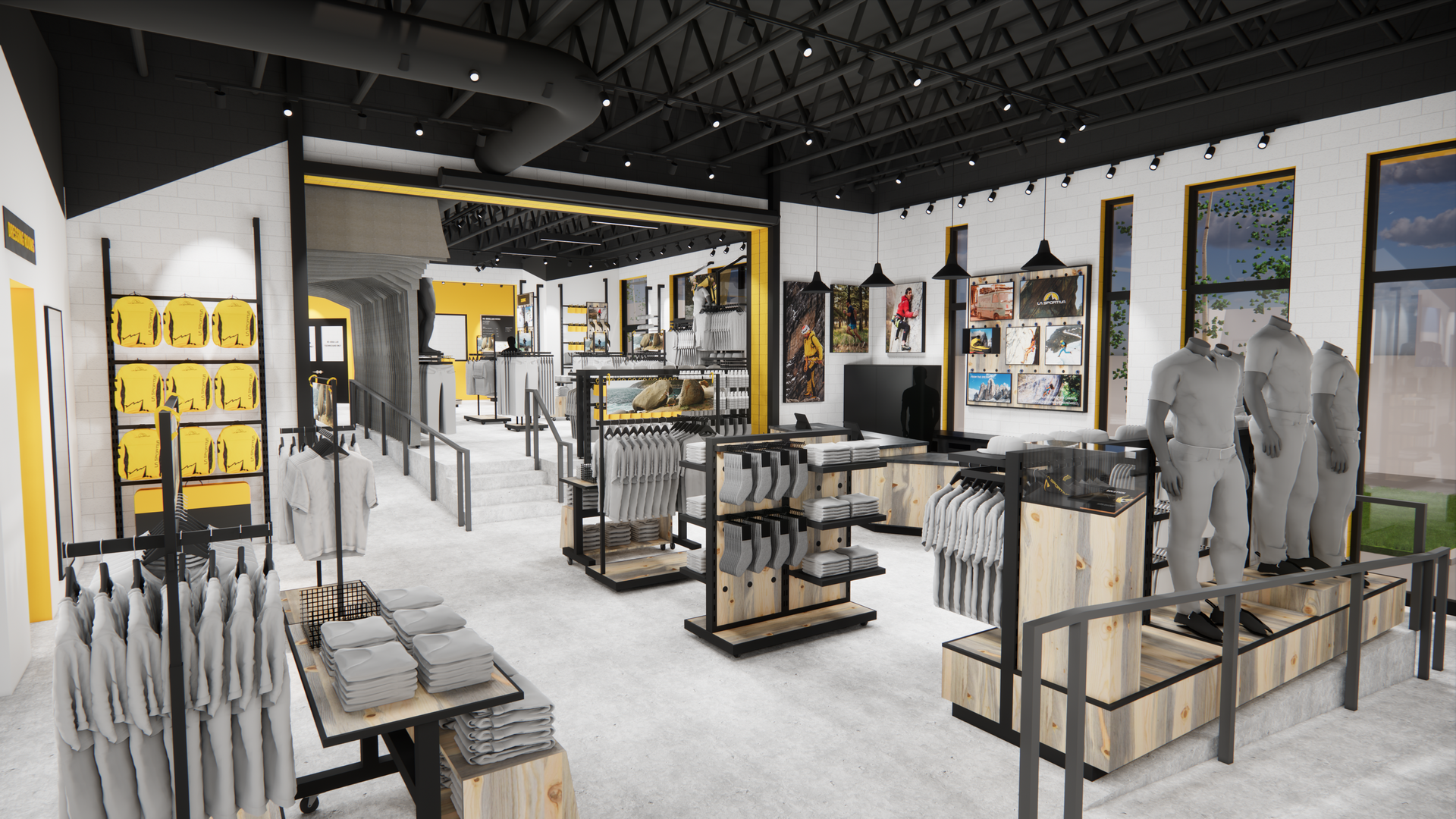
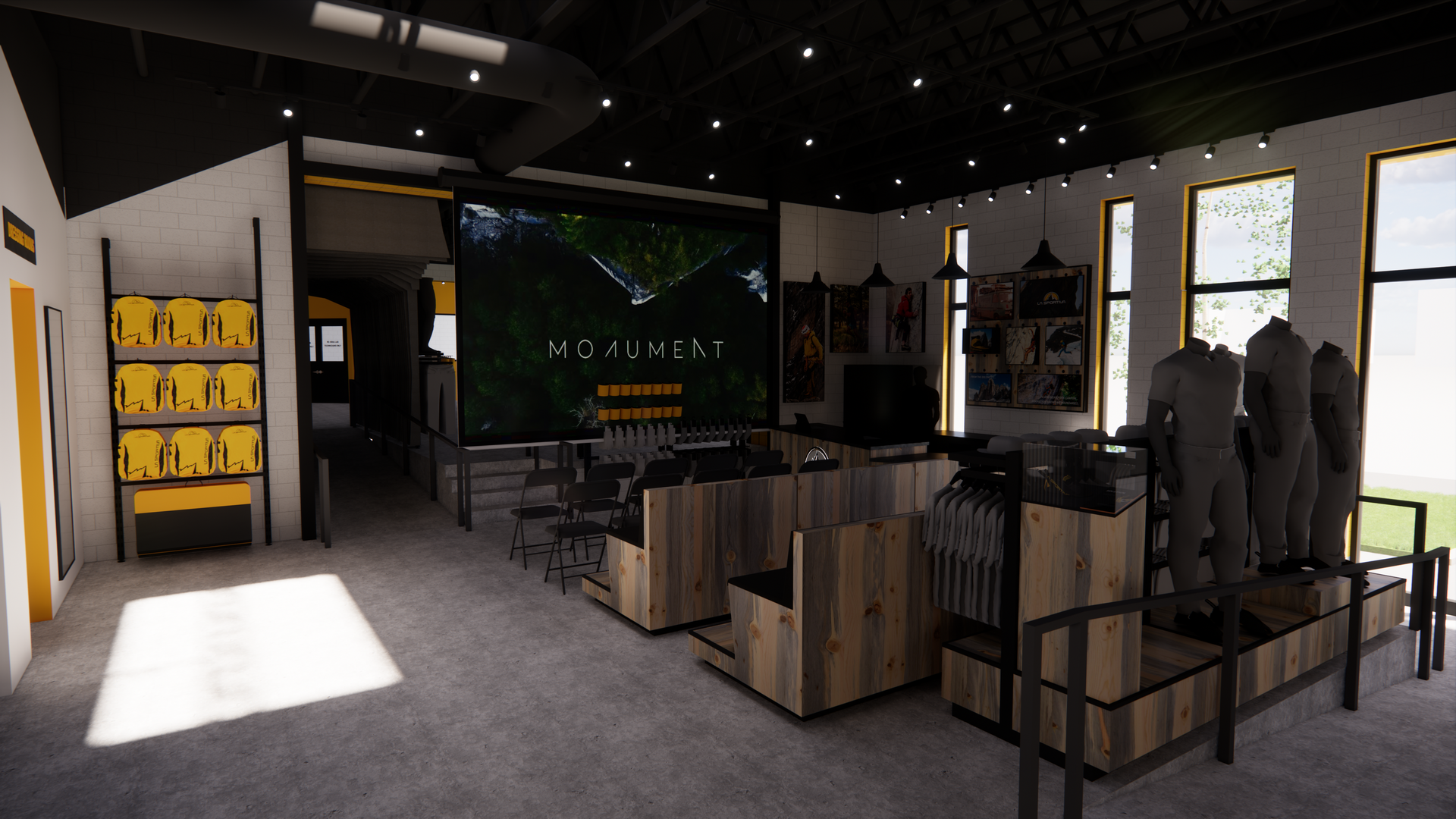
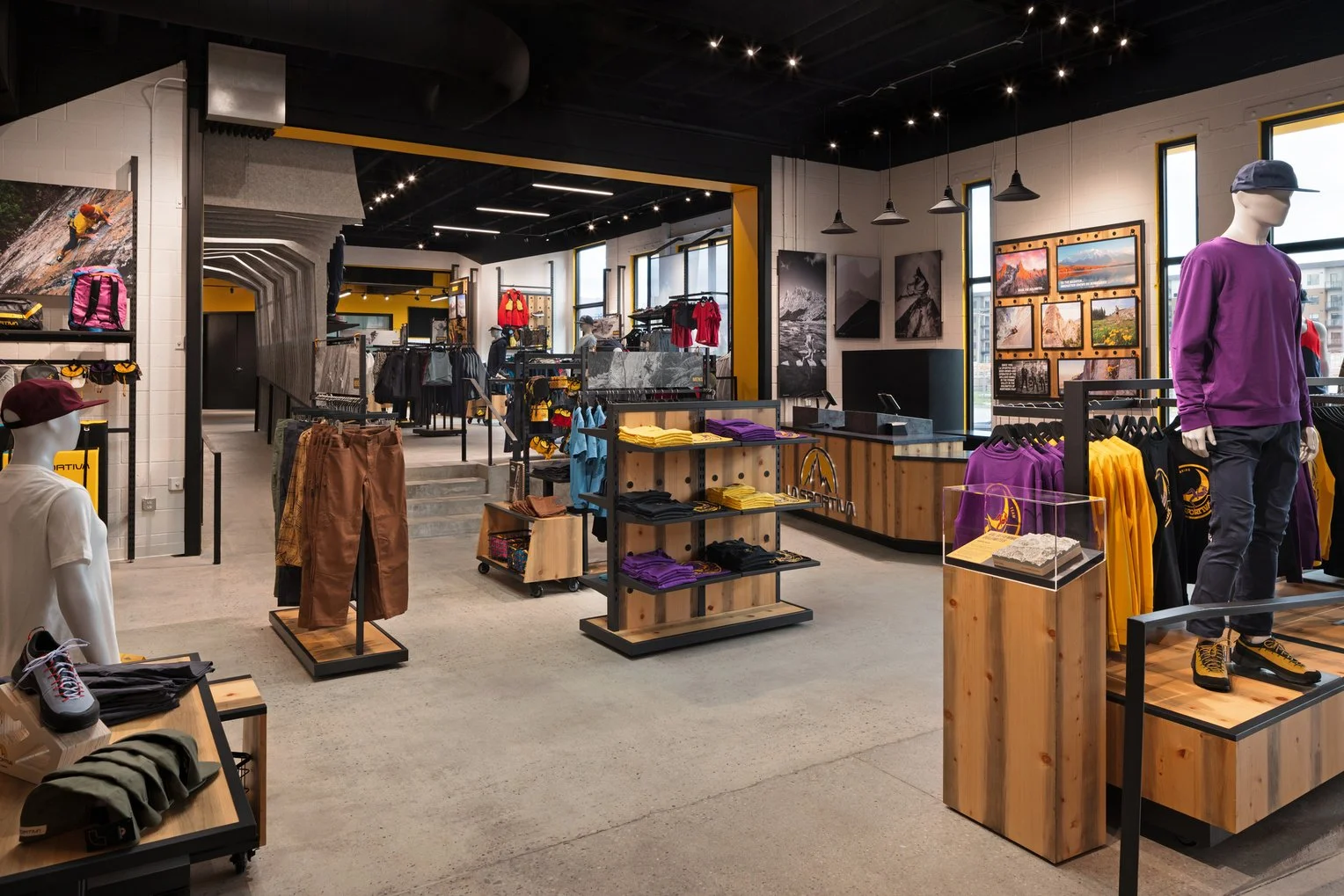
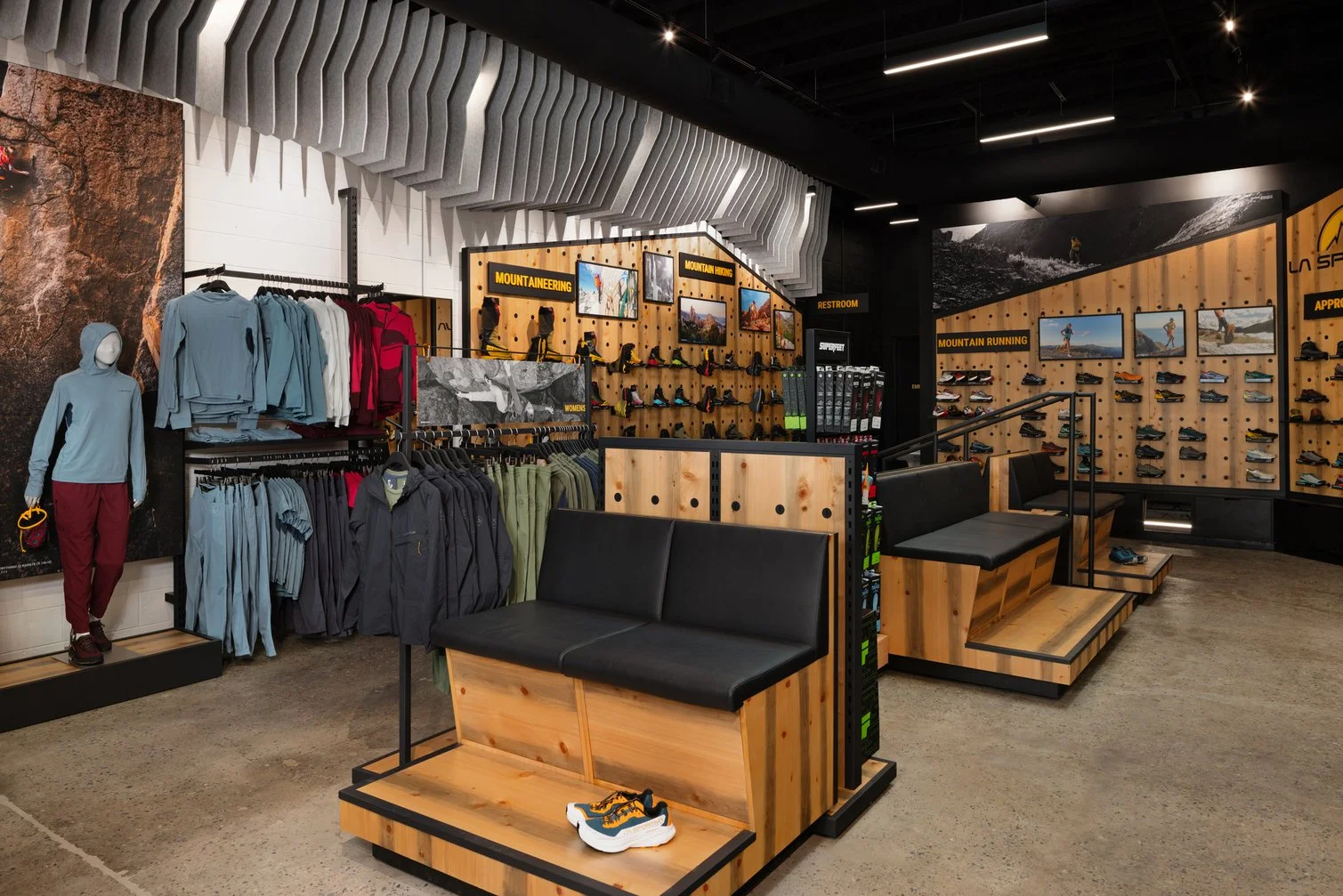
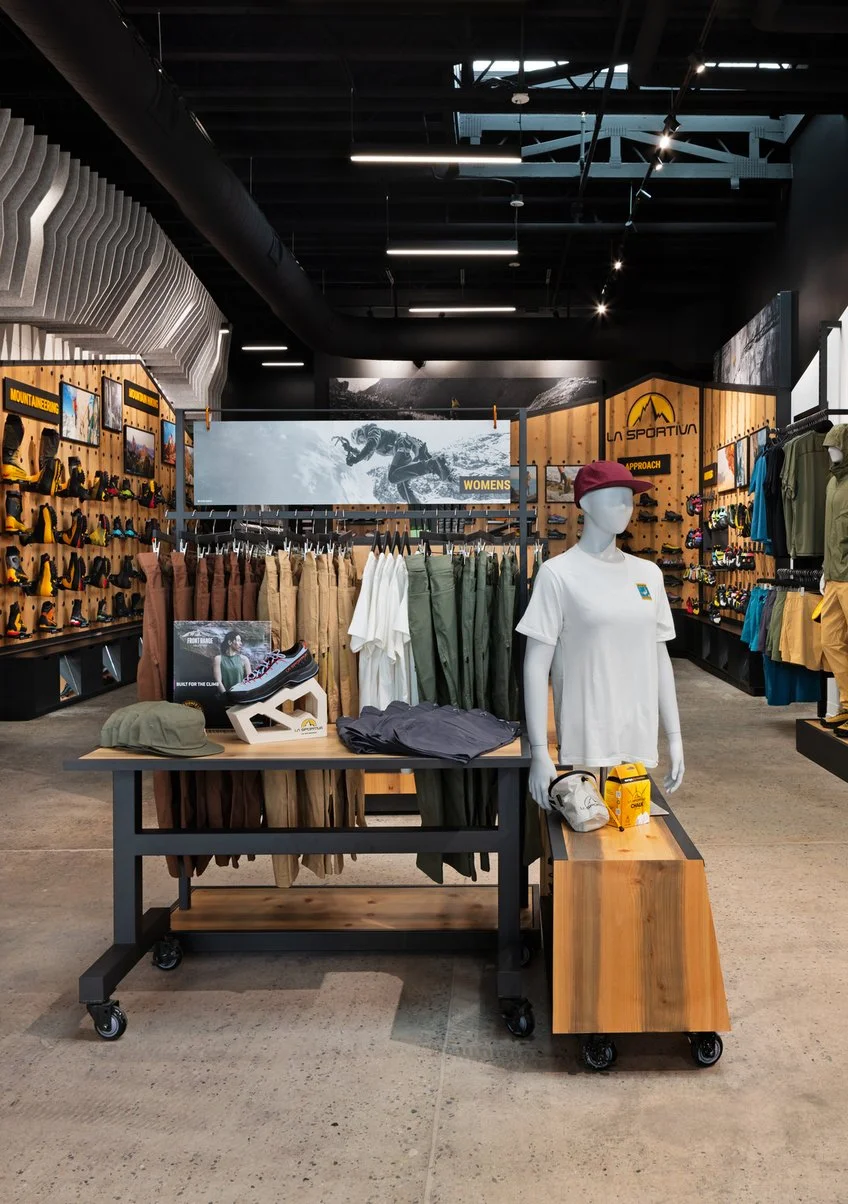
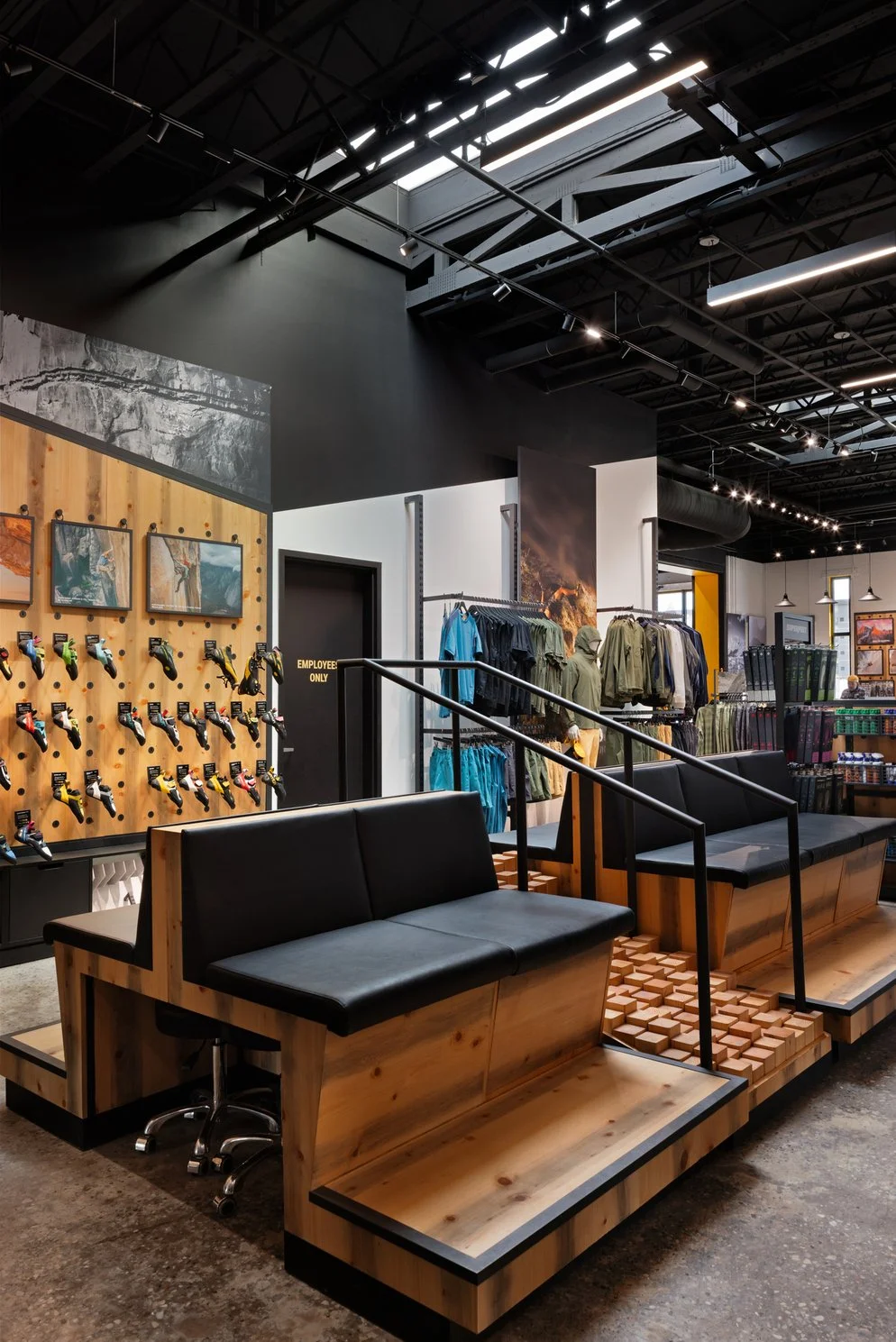
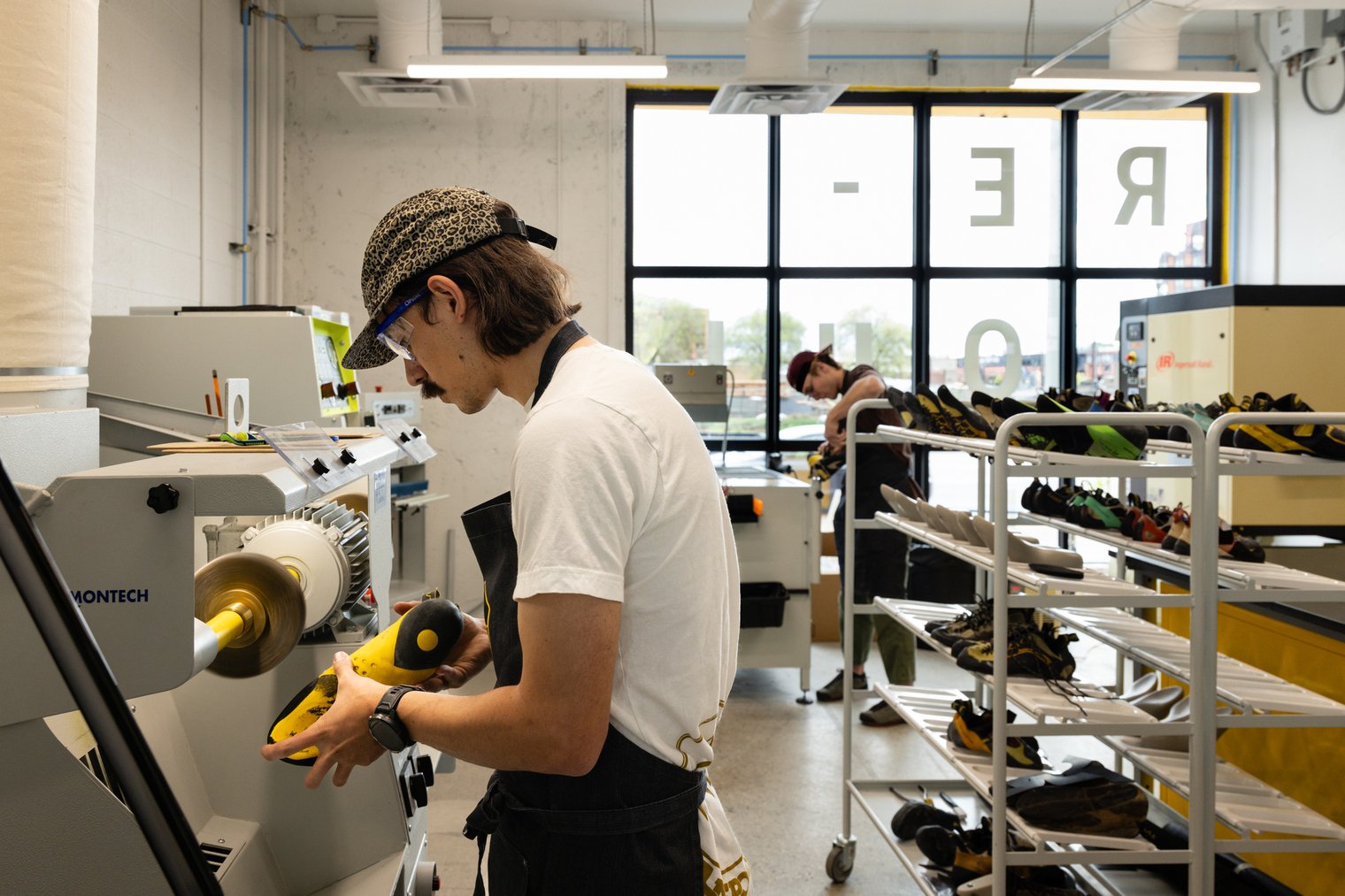
We see it in our own work, too. At La Sportiva in Salt Lake City, a store we designed and built at PORTER, the fixtures roll back for clinics and film nights, and climbers bring worn shoes to the Resoul Lab for a second life. Nobody comes in for either one because something is on sale.
The Real Black Friday Test Is in January
A discount earns the visit.
Connection earns the return.
Black Friday will bring people in. Discounts are good at that. But a discount earns the visit. Connection earns the return.
A discount is also the one thing an agent will always find faster than you. If your entire plan is a deeper markdown, you've handed the day to a bot.
Gen Z isn't chasing the lowest number anyway. Coresight Research found that Gen Z cares less about the lowest price when picking a store, and that timing and experience win them over better than a deeper discount does. Last year pointed the same way: fewer people walked into stores on Black Friday 2025, but store sales still went up 1%. The ones who came in were there to buy.
Fewer visits. More intent.
The stores that win this Black Friday won't have the biggest discounts. They'll have the strongest connection.
That's what brings people back in January, when nothing is marked down and nobody has to be there.
If I were planning past Black Friday, I'd start here:
Find the one thing a shopper can only get in person, and give it the best spot on the floor.
Plan for groups, not just one shopper at a time.
Put your best people where customers decide, not in the stockroom.
Keep one corner free of sale signs, so people remember the brand, not just the price.
Count who comes back, not only what sold.